
How to Train for and Earn Your Instrument Rating (IFR) Efficiently
Bend Aircraft – How to Train for and Earn Your Instrument Rating (IFR) Efficiently
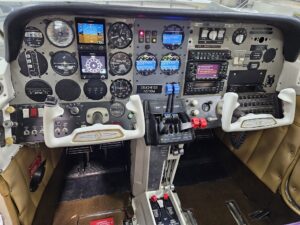 Earning your instrument rating is one of the most valuable steps you can take as a pilot. It helps you become safer, more skilled, and more confident in the cockpit. Additionally, it gives you the training to fly under Instrument Flight Rules (IFR) when weather conditions limit visual flying.
However, instrument training takes time, planning, and dedication. Without a clear plan, students can spend more money and time than needed. Therefore, learning how to train efficiently can make a major difference.
At Bend Aircraft, we understand the value of proper flight training, reliable aircraft systems, and modern avionics. Whether you fly for fun or plan a career in aviation, your instrument rating can open new doors.
This guide explains how to prepare for IFR training, build your skills, and avoid common mistakes. Additionally, you will learn how to make the most of every flight lesson.
What Is an Instrument Rating?
An instrument rating allows qualified pilots to fly under IFR. Instead of relying mainly on outside visual references, pilots learn to use flight instruments to control the aircraft.
This skill becomes important when clouds, poor visibility, or changing weather limit visual flight.
However, an instrument rating does not mean you can fly safely in every weather condition. Pilots must still consider icing, thunderstorms, turbulence, aircraft equipment, and personal limits.
Instrument training teaches several important skills, including:
-
Flying accurately by reference to instruments.
-
Understanding IFR charts and procedures.
-
Planning and filing IFR flight plans.
-
Communicating with Air Traffic Control (ATC).
-
Flying instrument approaches.
-
Managing aircraft navigation systems.
-
Recognizing and recovering from unusual attitudes.
-
Making safe decisions during changing weather.
Additionally, IFR training helps pilots develop better flight planning habits. These skills can improve safety during both VFR and IFR flights.
Why Earning Your Instrument Rating Matters
An instrument rating offers several benefits beyond flying through clouds.
First, it helps you become a more precise pilot. You learn to control altitude, heading, and airspeed while managing other cockpit tasks.
Second, it improves your understanding of weather. As a result, you can make better decisions before and during flights.
Third, an instrument rating gives you more flexibility when planning trips. However, you must always stay within your aircraft’s limits and your own abilities.
Finally, an instrument rating is an important step for pilots pursuing commercial aviation careers.
At Bend Aircraft, we believe pilots benefit from understanding both flight procedures and the equipment they use. Therefore, learning how your avionics work should be part of your IFR training plan.
Understand the FAA Instrument Rating Requirements
Before starting training, learn what the Federal Aviation Administration (FAA) requires.
For an airplane instrument rating under Part 61, pilots generally need:
-
A private pilot certificate or the ability to hold one concurrently with the rating.
-
At least 50 hours of cross-country flight time as pilot in command, including at least 10 hours in airplanes.
-
At least 40 hours of actual or simulated instrument time.
-
At least 15 hours of instrument flight training from an authorized instructor in the appropriate aircraft category.
-
A qualifying IFR cross-country flight of at least 250 nautical miles, with instrument approaches at each airport and three different kinds of approaches.
-
Three hours of instrument training from an authorized instructor within the two calendar months before the practical test.
Additionally, the 40 hours of instrument time may include qualifying previous experience and approved training-device time, subject to FAA rules.
Pilots must also pass the required knowledge test and practical test.
However, these numbers represent minimum requirements. Some students need more training before they can safely meet the required standards.
Therefore, focus on building skills rather than reaching a certain number of hours.
Start With a Clear IFR Training Plan
One of the best ways to earn your instrument rating efficiently is to create a training plan before your first lesson.
First, discuss your goals with a qualified instrument instructor. Explain your flight experience, schedule, and budget.
Next, review your current skills. Your instructor may identify areas that need improvement before instrument training begins.
For example, you may need additional practice with radio communication, aircraft control, or navigation.
Then, create a schedule that allows regular training.
A strong plan should include ground study, flight lessons, simulator sessions, and progress reviews.
Additionally, set realistic milestones. These can help you measure your progress and identify problems early.
At Bend Aircraft, we recognize that preparation plays a major role in efficient flying. Therefore, pilots should understand their aircraft and equipment before beginning advanced training.
Train Consistently to Build Skills Faster
Consistency is one of the most important parts of instrument training.
When students fly only once every few weeks, they often spend time reviewing old lessons. As a result, progress can slow down.
Instead, consider scheduling two or three training sessions each week when your budget and schedule allow.
Regular practice helps you remember procedures and build confidence.
Additionally, it gives your instructor more chances to correct mistakes before they become habits.
However, avoid scheduling so much training that fatigue affects your performance.
A balanced schedule should give you enough time to study, practice, and rest.
The goal is steady progress rather than rushing through lessons.
Complete Your IFR Ground School Early
Ground knowledge forms the foundation of instrument flying.
Before you spend significant time practicing instrument approaches, learn the rules and procedures behind them.
Important ground school subjects include:
-
IFR regulations and flight planning.
-
Weather reports and forecasts.
-
Instrument approach charts.
-
Enroute navigation charts.
-
Aircraft instruments and systems.
-
ATC communication procedures.
-
Holding patterns.
-
Navigation equipment.
-
IFR emergencies and decision-making.
Additionally, study the FAA Instrument Flying Handbook and Instrument Procedures Handbook.
These resources explain many of the concepts you will use during flight training.
Consider completing most of your ground school before beginning intensive flight lessons. Then, you can focus more attention on flying.
However, continue reviewing ground material throughout your training.
Learn Your Aircraft’s Avionics Before Flying IFR
Modern avionics can make instrument flying more efficient. However, unfamiliar equipment can increase your workload.
Therefore, spend time learning your aircraft’s navigation systems before practicing complex IFR procedures.
For example, pilots should understand how to:
-
Enter and modify flight plans.
-
Load and activate instrument approaches.
-
Select navigation sources.
-
Interpret GPS guidance.
-
Use flight director functions.
-
Manage autopilot modes.
-
Recognize equipment failures.
Additionally, learn how to operate your equipment without relying on the autopilot.
Modern systems provide valuable support, but pilots must still understand basic instrument flying.
At Bend Aircraft, we work with advanced avionics systems, including Garmin equipment. As an authorized Garmin dealer, we understand how modern cockpit technology can improve situational awareness.
However, even the best avionics require proper training and correct operation.
Use Flight Simulators to Improve Efficiency
Flight simulators and approved aviation training devices can help students develop instrument skills.
For example, they provide opportunities to practice procedures without using valuable aircraft flight time.
Students can practice:
-
Holding patterns.
-
Instrument approaches.
-
Navigation procedures.
-
Radio communication.
-
Missed approaches.
-
Emergency procedures.
-
Cockpit workflow.
Additionally, training devices allow instructors to repeat difficult situations.
This repetition helps students develop better habits.
However, not every simulator session qualifies toward FAA flight experience requirements. Credit depends on the device, its approval, the training conducted, and applicable regulations.
Therefore, confirm which training-device hours may count toward your rating.
Even when a session does not qualify for credit, it can still help you prepare for aircraft training.
Master Basic Instrument Flying First
Before attempting complex IFR procedures, develop strong aircraft control skills.
First, practice maintaining altitude, heading, and airspeed using instruments.
Next, learn standard-rate turns, climbs, and descents.
Then, practice transitioning between different flight conditions.
These skills may seem simple. However, they form the foundation for instrument approaches and other IFR procedures.
Additionally, develop a consistent instrument scan.
An effective scan helps you recognize small changes before they become larger problems.
Avoid focusing on only one instrument. Instead, regularly check the instruments that provide the information you need.
As your skills improve, you can begin combining aircraft control with navigation and communication tasks.
Learn to Stay Ahead of the Aircraft
Instrument flying requires pilots to manage several tasks at once.
For example, you may need to follow ATC instructions while preparing for an approach.
Therefore, staying ahead of the aircraft becomes essential.
Before each flight, review your route, expected procedures, and possible changes.
Additionally, brief each approach before beginning it.
Know the approach course, altitude restrictions, minimums, and missed approach instructions.
Use checklists and standard procedures to reduce mistakes.
However, avoid rushing through cockpit tasks.
Good preparation allows you to complete important steps before your workload increases.
As a result, you can spend more attention on aircraft control and safe decision-making.
Practice IFR Radio Communication
Clear radio communication is another important instrument flying skill.
During IFR operations, ATC may issue clearances, altitude changes, headings, and approach instructions.
Therefore, pilots must listen carefully and respond correctly.
Before flying, practice common IFR radio calls.
Learn how to copy clearances using an organized method.
Additionally, become familiar with common ATC instructions and aviation terms.
If you do not understand a clearance, ask ATC to repeat or explain it.
Never guess about an instruction.
Practice also helps reduce stress during busy phases of flight.
As your confidence improves, radio communication becomes a more natural part of your cockpit routine.
Become Comfortable With Instrument Approaches
Instrument approaches are a major part of IFR training.
They allow pilots to navigate toward an airport using published procedures.
During training, you will learn several types of approaches.
Common examples include:
-
ILS approaches.
-
RNAV (GPS) approaches.
-
Localizer approaches.
-
VOR approaches.
Each approach has different equipment needs and procedures.
Therefore, study the approach chart before flying.
Pay close attention to altitude restrictions, navigation requirements, and minimums.
Additionally, practice missed approaches until you can perform them correctly.
A missed approach is not a failure. Instead, it is a normal safety procedure when landing requirements are not met.
Strong approach skills require both preparation and repetition.
Understand IFR Weather and Risk Management
Weather knowledge is one of the most valuable skills you will gain during instrument training.
However, an instrument rating does not remove weather risks.
Pilots must understand clouds, visibility, icing, turbulence, thunderstorms, and changing conditions.
Before each flight, review available weather information.
For example, examine METARs, TAFs, weather charts, and relevant forecasts.
Additionally, consider how conditions may change during your flight.
Pay special attention to freezing levels and possible icing.
Many general aviation aircraft lack equipment for flight into known icing conditions.
Therefore, never assume that an instrument rating makes hazardous weather acceptable.
Develop personal weather minimums that reflect your experience and aircraft capabilities.
As your skills grow, review those limits carefully rather than increasing them too quickly.
Keep Your Aircraft IFR Ready
Reliable aircraft equipment is essential for safe instrument flying.
Before beginning IFR training, confirm that your aircraft meets the equipment and inspection requirements for the operations you plan.
Important items may include:
-
Required flight instruments.
-
Navigation and communication equipment.
-
Pitot-static system.
-
Altimeter.
-
Transponder.
-
GPS database and equipment approvals.
-
Electrical system.
-
Applicable inspections and maintenance records.
Additionally, IFR operations may require specific equipment based on the route and approach.
For example, IFR altimeter and static system tests generally follow the 24-calendar-month requirements of 14 CFR 91.411. Transponder testing generally follows 14 CFR 91.413.
However, the exact requirements depend on the aircraft and intended operation.
At Bend Aircraft, we provide avionics and aircraft maintenance services that help pilots maintain reliable cockpit systems.
Proper maintenance can also reduce training interruptions caused by equipment problems.
Avoid Common Instrument Training Mistakes
Many students lose time because they repeat the same training mistakes.
Fortunately, careful planning can help prevent these problems.
One common mistake is training too infrequently. As a result, students spend more time rebuilding skills.
Another mistake is arriving without completing the assigned ground study.
Additionally, some pilots rely too heavily on autopilot systems before mastering basic aircraft control.
Others rush through approaches without fully understanding the procedures.
To avoid these problems, prepare for each lesson and review your instructor’s feedback.
Keep a training notebook to record areas that need improvement.
Then, focus your next study session on those specific skills.
Most importantly, avoid comparing your progress with other pilots.
Every student learns at a different pace.
Prepare for Your IFR Knowledge Test
The FAA instrument rating knowledge test measures your understanding of instrument flying rules and procedures.
Therefore, begin preparing early.
Use current study materials and practice questions to identify weak areas.
However, avoid simply memorizing answers.
Instead, learn why each answer is correct.
Focus on understanding weather, navigation, regulations, and flight planning.
Additionally, review charts and approach procedures until you can interpret them confidently.
Consider scheduling your knowledge test when you consistently demonstrate a strong understanding of the material.
Passing the test early can reduce distractions during the final stages of flight training.
Prepare for Your Instrument Rating Checkride
The instrument rating practical test includes an oral evaluation and a flight evaluation.
During the oral portion, the examiner evaluates your knowledge and decision-making.
During the flight portion, you must demonstrate the required instrument flying skills.
Therefore, prepare using the current FAA Instrument Rating Airman Certification Standards (ACS).
Review each applicable task with your instructor.
Additionally, practice complete IFR flights rather than only individual maneuvers.
A complete practice flight may include departure, navigation, holding, approaches, and missed approach procedures.
This helps you manage tasks in a realistic sequence.
Before the checkride, confirm that your documents, aircraft records, endorsements, and required equipment are in order.
Most importantly, get enough rest.
A calm and prepared pilot is better able to demonstrate the skills developed during training.
How Long Does It Take to Earn an Instrument Rating?
The time needed to earn an instrument rating varies.
Some pilots complete their training in a few months. Others need longer because of work schedules, weather, aircraft availability, or learning needs.
Additionally, students who already meet some of the experience requirements may progress differently from those who need more cross-country time.
Your training pace also affects the total cost.
For example, consistent lessons may reduce the amount of time spent reviewing earlier skills.
However, rushing can create problems and lead to additional training.
Therefore, create a realistic schedule with your instructor.
Focus on reaching each milestone safely and efficiently.
How Much Does IFR Training Cost?
Instrument training costs depend on several factors.
These include aircraft rental rates, instructor fees, fuel, training devices, and the number of hours required.
Additional expenses may include:
-
Ground school materials.
-
FAA knowledge test fees.
-
Practical test examiner fees.
-
Headsets and flight supplies.
-
Navigation subscriptions.
-
Extra flight training.
Therefore, ask your training provider for a detailed estimate before beginning.
Also, plan for additional training beyond the FAA minimums.
A small financial reserve can help you avoid long breaks when unexpected expenses arise.
Additionally, compare training options based on quality and consistency rather than price alone.
The least expensive hourly rate does not always produce the lowest total training cost.
Part 61 vs. Part 141 IFR Training
Pilots can pursue instrument training through either Part 61 or an approved Part 141 training program.
Part 61 generally offers greater scheduling flexibility. Therefore, it may work well for pilots who balance training with work or family responsibilities.
Part 141 programs follow an FAA-approved course structure. They may offer reduced minimum flight experience requirements for certain ratings.
However, Part 141 programs often provide less flexibility in lesson order and scheduling.
Additionally, lower minimum hours do not guarantee that a student will finish with fewer hours.
Many students still need extra training to reach practical test standards.
Therefore, consider your schedule, learning style, and training goals before choosing a program.
The best option is the one that helps you develop strong skills without unnecessary delays.
Build IFR Experience After Earning Your Rating
Passing your checkride is an important achievement. However, it is only the beginning of your development as an instrument pilot.
After earning your rating, continue practicing regularly.
Fly with experienced instructors when learning new procedures or equipment.
Additionally, maintain instrument currency under applicable FAA requirements.
For many pilots, 14 CFR 61.57 requires six instrument approaches, holding procedures and tasks, and intercepting and tracking courses within the preceding six calendar months to act as PIC under IFR or in weather below VFR minimums.
If you lose currency, additional requirements apply before you can resume acting as PIC under IFR.
Therefore, keep accurate records of your instrument experience.
Also, consider periodic instrument proficiency checks even when you remain legally current.
Proficiency and currency are not the same thing.
Frequently Asked Questions About Instrument Ratings
Is an instrument rating difficult to earn?
Instrument training can be challenging because pilots must learn new procedures while maintaining precise aircraft control. However, consistent practice and proper preparation make the process more manageable.
Can I complete IFR training in my own aircraft?
Yes, you can often train in your own aircraft if it meets the applicable requirements. Additionally, you will need a qualified instructor and suitable equipment for the training.
Do I need a glass cockpit for IFR training?
No. Many aircraft with traditional instruments can support instrument training. However, the aircraft must have the required equipment for the intended operations.
Can I use an autopilot during instrument training?
Yes, when appropriate. However, you must also develop strong manual instrument flying skills and meet the practical test requirements.
Is an instrument rating worth the cost?
For many pilots, an instrument rating provides valuable skills and greater flight planning flexibility. Additionally, it can support future aviation career goals.
Does an instrument rating allow me to fly in any weather?
No. An instrument rating allows qualified pilots to operate under IFR, but aircraft limitations, hazardous weather, and pilot experience still matter.
Bend Aircraft – Supporting Your IFR Flying Goals
Earning your instrument rating requires dedication, practice, and careful planning. However, an efficient training approach can help you reduce delays and build lasting skills.
Start with a clear plan, complete your ground study, and train consistently. Additionally, become familiar with your aircraft’s avionics and navigation equipment.
Modern cockpit technology can help improve situational awareness and reduce workload. However, pilots must understand how to use these systems correctly.
At Bend Aircraft, we understand the importance of reliable aircraft systems and quality avionics. Our aircraft maintenance and avionics services help support pilots who want dependable equipment for demanding flight operations.
Whether you need an avionics upgrade, instrument system service, or assistance preparing your aircraft for IFR operations, Bend Aircraft can help.
Contact Bend Aircraft for IFR Avionics and Aircraft Maintenance
Your instrument rating is an investment in your future as a pilot. Therefore, make sure your aircraft and avionics support your training and long-term flying goals.
Bend Aircraft offers professional avionics installation, aircraft maintenance, instrument panel upgrades, and IFR-related certification services.
Additionally, our experience with Garmin avionics can help aircraft owners explore equipment options that support safer and more efficient cockpit operations.
Contact Bend Aircraft today to discuss your aircraft’s avionics, maintenance needs, and IFR readiness. With reliable equipment and a strong training plan, you can take the next step toward becoming a more capable instrument pilot.