
How Modern Autopilots Change Aircraft Safety & Workload
Bend Aircraft – How Modern Autopilots Change Aircraft Safety & Workload
Modern Aircraft Technology Keeps Improving
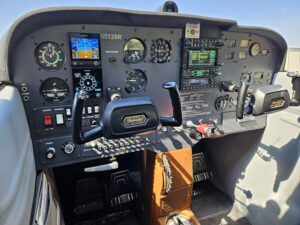 Flying an aircraft takes focus, skill, and constant attention. At the same time, pilots must manage weather, navigation, radio calls, fuel use, traffic, and aircraft systems together. Because of that, pilot workload can rise quickly during long flights or poor weather conditions. Fortunately, modern autopilot systems now help reduce that pressure in many aircraft.
At Bend Aircraft, pilots often ask how modern autopilots improve safety and lower workload. Today’s systems do much more than hold altitude or maintain heading. In fact, many modern autopilots work closely with GPS navigators, electronic flight displays, and safety systems. As a result, pilots gain more support during every phase of flight.
Additionally, modern avionics continue to change general aviation. Therefore, many aircraft owners now upgrade older systems to improve reliability, comfort, and situational awareness. Furthermore, autopilot technology has become more affordable and easier to install in many aircraft models.
What Is a Modern Autopilot?
An autopilot is a flight control system that helps guide the aircraft. While older systems handled only simple tasks, modern autopilots now perform many advanced functions.
Today’s autopilot systems can:
- Hold altitude
- Maintain heading
- Follow GPS flight plans
- Fly instrument approaches
- Track vertical navigation paths
- Maintain airspeed
- Help recover from unusual attitudes
- Provide envelope protection
Because of these features, pilots can focus more attention on safety and decision-making instead of constantly adjusting flight controls. In addition, pilots often feel less stress during longer flights.
Many aircraft owners install systems from companies like Garmin to modernize their cockpit. For example, advanced autopilots often pair with glass panels and GPS navigators to create a fully integrated flight deck. Consequently, pilots gain easier access to important flight information.
Reducing Pilot Workload During Flight
Pilot workload changes throughout every flight. During takeoff and landing, pilots stay extremely busy. However, workload also rises during instrument flying, turbulence, weather deviations, and long cross-country trips.
Modern autopilots help lower that workload in several ways. As a result, pilots can stay more organized and focused during flight.
Better Focus During Long Flights
Cross-country flights often require constant corrections for altitude, heading, and course tracking. Without autopilot support, pilots may become tired more quickly. However, autopilots handle many repetitive control inputs automatically.
As a result, pilots can:
- Monitor weather more carefully
- Communicate with ATC more easily
- Review charts and procedures
- Manage fuel planning
- Watch for traffic
Additionally, reduced fatigue often helps pilots make better decisions later in the flight. Furthermore, pilots can maintain better awareness during changing conditions.
Lower Stress During IFR Operations
Instrument flying demands strong attention and precision. Pilots must scan instruments continuously while following instructions from air traffic control. Therefore, autopilot systems become extremely valuable during IFR operations.
Modern systems can track approaches accurately while also holding altitude and course. Consequently, pilots gain extra time to prepare for approach changes or missed approach procedures. Likewise, pilots can monitor surrounding weather more effectively.
Although autopilots do not replace pilot skills, they provide valuable support during demanding conditions. Even so, pilots must always remain alert and engaged.
Improving Aircraft Safety
Modern autopilots improve more than convenience. Most importantly, they improve safety in many situations.
Better Aircraft Stability
Autopilot systems make small corrections constantly. Because of that, aircraft often maintain smoother and more stable flight profiles.
Stable flight helps:
- Reduce pilot overcorrection
- Improve passenger comfort
- Lower workload
- Increase precision during instrument procedures
Additionally, smoother control inputs often improve fuel efficiency during cruise flight. At the same time, stable flight paths help reduce pilot fatigue.
Protection Against Loss Of Control
Some advanced autopilot systems include safety protection features. For example, envelope protection can help prevent stalls or steep bank angles.
If the aircraft approaches unsafe flight conditions, the autopilot may provide corrective control pressure automatically. Therefore, pilots receive another layer of safety support during stressful situations.
Many systems also include straight-and-level recovery buttons. When activated, the autopilot returns the aircraft to stable flight automatically. As a result, pilots can regain control more easily during spatial disorientation or high-workload situations. Furthermore, these features may help reduce accident risks in poor visibility conditions.
Safer Instrument Approaches
Approach and landing phases often create the highest workload for pilots. Weather, traffic, terrain, and radio communication all increase pressure during descent.
Modern autopilots help by:
- Tracking glidepaths accurately
- Following lateral navigation guidance
- Reducing control workload
- Improving precision during IFR approaches
Consequently, pilots can spend more time monitoring weather, runway conditions, and surrounding traffic. In addition, pilots can prepare more effectively for changing runway or approach instructions.
Even so, pilots must always remain engaged and ready to take control immediately. Autopilots assist the pilot, but they never replace proper training or responsibility.
Integration With Modern Avionics
One major advantage of today’s autopilot systems involves integration with other avionics.
Modern aircraft panels often combine:
- GPS navigators
- Electronic flight displays
- Engine monitoring systems
- Traffic systems
- Weather systems
- Digital autopilots
Because these systems communicate together, pilots receive more complete situational awareness. Additionally, pilots can access critical information more quickly.
For example, a GPS navigator can send flight plan information directly to the autopilot. Then, the autopilot can follow the programmed route automatically. Additionally, vertical navigation features help manage climbs and descents more efficiently. As a result, flights often become smoother and more organized.
At Bend Aircraft, integrated avionics upgrades often help pilots modernize older aircraft while improving safety and usability.
How Autopilots Help During Emergencies
Emergencies create sudden stress and confusion. Therefore, reducing pilot workload becomes extremely important during abnormal situations.
Modern autopilots can help during:
- Electrical issues
- Weather deviations
- Pilot disorientation
- Engine monitoring events
- Navigation problems
For example, if weather conditions worsen suddenly, the autopilot can maintain stable flight while the pilot evaluates options. Similarly, during an in-flight emergency, pilots can focus on checklists and communication instead of hand-flying continuously.
Some newer systems even include emergency descent modes or automated safety functions. Consequently, aircraft technology continues improving pilot support during critical moments. Furthermore, these systems can help pilots stay calm under pressure.
Passenger Comfort Also Improves
Passengers notice smoother flights when modern autopilots handle aircraft control. Since autopilot systems make precise and consistent adjustments, cabin movement often feels less abrupt.
Additionally, smoother climbs, descents, and turns can help reduce passenger discomfort during longer flights. Likewise, stable flight paths often create a more enjoyable experience for passengers.
Although safety remains the main goal, improved comfort becomes another benefit of avionics modernization.
Why Many Owners Upgrade Older Aircraft
Many aircraft still fly with aging avionics systems installed decades ago. While older autopilots may still function, they often lack modern safety features and reliability.
Because of that, many owners now choose avionics upgrades.
Modern upgrades often provide:
- Better reliability
- Easier maintenance
- Improved IFR capability
- Greater situational awareness
- Better integration
- Increased aircraft value
Additionally, replacement parts for older systems sometimes become difficult to find. Therefore, upgrading to newer digital systems can reduce long-term maintenance challenges. At the same time, modern avionics can improve overall flight confidence.
At Bend Aircraft, aircraft owners frequently explore autopilot modernization during panel upgrades or avionics improvements.
Training Still Matters
Although autopilots provide excellent support, pilot training remains essential. Pilots must understand:
- System operation
- Mode awareness
- Proper engagement procedures
- Emergency disconnect procedures
- Flight director operation
Additionally, pilots must avoid overreliance on automation. Strong hand-flying skills still matter during every flight. Likewise, pilots should practice manual flying regularly to maintain proficiency.
Modern avionics work best when pilots understand both the aircraft and the automation system fully. Therefore, ongoing training helps pilots use autopilot technology safely and effectively.
Choosing The Right Autopilot System
Every aircraft has different mission requirements. Because of that, selecting the correct autopilot depends on several factors.
Pilots should consider:
- Aircraft compatibility
- IFR needs
- Budget
- Existing avionics
- Future upgrade plans
- Desired safety features
Some aircraft owners need simple two-axis autopilots. Meanwhile, others may prefer advanced systems with full integration and safety protection features.
Working with an experienced avionics shop helps owners choose equipment that fits both their aircraft and flying goals. Additionally, professional installation helps ensure reliable long-term performance.
The Future Of Aircraft Automation
Aircraft technology continues advancing quickly. As avionics improve, autopilot systems will likely gain even more safety and automation features.
Future systems may continue improving:
- Emergency assistance
- Flight path management
- Traffic avoidance integration
- Weather response
- Pilot workload reduction
However, pilots will always remain responsible for safe aircraft operation. Technology supports pilots, yet proper training and good judgment still matter most. Even so, automation will likely continue improving overall aviation safety.
Trust Bend Aircraft For Modern Avionics Upgrades
Modern autopilots help pilots fly more safely, comfortably, and efficiently. Additionally, they reduce workload during demanding situations while improving overall situational awareness.
At Bend Aircraft, pilots receive professional avionics installation, panel modernization, and aircraft upgrade support. Whether you want better IFR capability or improved flight safety, modern autopilot systems can make a major difference in your aircraft.
As aviation technology continues evolving, modern autopilots will remain an important tool for safer and smarter flying. Furthermore, upgraded avionics can help pilots feel more confident during every flight.