
How to Keep Your Gyros, Sensors & Pitot-Static System Healthy
Bend Aircraft – How to Keep Your Gyros, Sensors & Pitot-Static System Healthy
Why Aircraft Instruments Matter
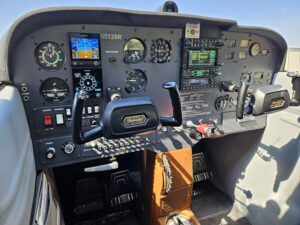 Modern aircraft depend on accurate instruments every time they leave the ground. Because of that, pilots need reliable gyros, sensors, and pitot-static systems during every phase of flight. When these systems work correctly, they help improve safety, awareness, and overall aircraft performance.
At Bend Aircraft, pilots often ask how to protect these important systems. Fortunately, regular inspections and proper maintenance can help keep instruments working smoothly for years. Additionally, healthy systems help pilots avoid costly repairs and unexpected downtime.
Gyros, sensors, and pitot-static equipment work together to provide critical flight information. Therefore, even small issues can create inaccurate readings inside the cockpit. Over time, vibration, moisture, dirt, and aging parts can all affect performance. However, with proper care, many problems can be found before they become serious.
Understanding Aircraft Gyros
Aircraft gyros help pilots maintain orientation during flight. Specifically, these instruments include the attitude indicator and heading indicator. Because these systems spin at high speeds, they remain stable even when the aircraft moves.
Gyros work hard during every flight. Consequently, they slowly wear down over time. Bearings may begin to fail, and internal parts can lose accuracy. Additionally, older vacuum systems may struggle to provide proper airflow.
Pilots should always watch for signs of gyro trouble. For example, drifting headings, slow responses, or unusual noises may point to internal wear. Likewise, flickering instruments or unstable readings can signal developing problems.
Regular inspections help catch issues early. Furthermore, proper maintenance reduces the risk of instrument failure during flight. At the same time, replacing worn components before they fail can save money in the long run.
Common Gyro Problems
Gyros face constant vibration and movement inside the aircraft. Because of that, several common issues can develop over time.
Bearing Wear
Gyro bearings spin continuously during operation. Eventually, these bearings wear down and create friction. As a result, instruments may become noisy or inaccurate. In many cases, worn bearings can also shorten the life of the instrument.
Vacuum System Issues
Many older aircraft still use vacuum-powered gyros. Therefore, weak pumps, cracked hoses, or dirty filters can reduce system performance. Low vacuum pressure may also cause sluggish instrument movement. In addition, vacuum leaks can slowly damage other connected components.
Electrical Problems
Electronic gyros depend on stable electrical power. However, weak connections or voltage fluctuations can interrupt operation. Consequently, pilots may notice unstable readings or complete instrument failure. Furthermore, poor electrical grounding may create additional instrument issues.
Moisture Damage
Moisture can damage sensitive gyro components. Additionally, corrosion may form inside the instrument housing. Because of that, proper storage and regular inspections remain important. Otherwise, hidden moisture damage may continue spreading over time.
Keeping Gyros Healthy
Good maintenance habits help extend gyro life. Fortunately, many preventative steps are simple and affordable.
Perform Regular Inspections
Routine inspections help mechanics identify early warning signs. During inspections, technicians check for noise, vibration, leaks, and unstable readings. Additionally, they inspect vacuum lines and electrical connections. As a result, small problems can often be repaired before they become major failures.
Replace Filters
Dirty filters can restrict airflow in vacuum systems. Therefore, replacing filters on schedule helps maintain proper system performance. Moreover, clean airflow helps reduce wear on sensitive gyro components.
Watch Vacuum Pressure
Pilots should monitor vacuum gauges during every flight. If pressure readings change suddenly, the system may need attention immediately. Likewise, slowly changing pressure readings can also signal developing issues.
Protect Aircraft During Storage
Moisture and dirt can damage instruments during storage. Because of that, keeping aircraft clean and dry helps protect sensitive components. Additionally, covered storage areas may reduce exposure to weather and temperature swings.
Follow Manufacturer Recommendations
Aircraft manufacturers provide service intervals for many instruments. Consequently, following those recommendations helps reduce unexpected failures. At the same time, scheduled service helps improve long-term reliability.
Understanding Aircraft Sensors
Aircraft sensors provide important information to avionics systems and flight instruments. Specifically, these sensors monitor altitude, airspeed, temperature, pressure, and more. Because modern aircraft rely heavily on electronic systems, healthy sensors are extremely important.
Sensors must remain clean and properly calibrated. Otherwise, inaccurate data may reach cockpit displays and navigation systems. In some cases, faulty sensors can even affect autopilot performance.
Modern avionics systems often depend on precise data from air data computers and related sensors. Therefore, small sensor errors can create larger system problems throughout the aircraft. Consequently, even minor issues deserve attention.
Common Sensor Problems
Several conditions can affect aircraft sensors over time.
Dirt and Contamination
Dust, bugs, oil, and debris can block sensor openings. Consequently, airflow and pressure readings may become inaccurate. Furthermore, contamination may slowly damage delicate sensor surfaces.
Wiring Problems
Loose wires and corroded connectors can interrupt sensor signals. Additionally, vibration may slowly damage wiring harnesses during normal operation. In some situations, damaged wiring can also create intermittent system failures.
Calibration Drift
Some sensors slowly lose calibration over time. Therefore, periodic testing helps confirm accurate readings. Otherwise, small errors may continue growing without notice.
Heat and Weather Exposure
Aircraft face changing temperatures and weather conditions regularly. Because of that, sensors may wear down faster in harsh environments. Additionally, repeated heating and cooling cycles may weaken electronic components.
Tips for Healthy Aircraft Sensors
Maintaining sensors requires consistent attention. Fortunately, a few simple habits can improve long-term reliability.
Keep Aircraft Clean
Clean aircraft surfaces help reduce contamination around sensors and ports. Additionally, washing away dirt and debris helps prevent buildup. As a result, sensors can continue operating accurately.
Schedule Regular Testing
Routine testing helps technicians verify accurate sensor operation. Furthermore, calibration checks help identify small issues before they affect flight safety. Consequently, pilots can trust the information displayed in the cockpit.
Inspect Wiring Connections
Mechanics should inspect wiring and connectors regularly. Because vibration affects many aircraft systems, loose connections can appear over time. Therefore, regular inspections remain extremely valuable.
Protect Openings During Storage
Pitot tubes and static ports should remain protected when parked. Otherwise, insects and debris may enter the system. In addition, protective covers help reduce moisture exposure.
Understanding the Pitot-Static System
The pitot-static system provides critical flight data for many aircraft instruments. Specifically, this system measures air pressure and helps calculate airspeed, altitude, and vertical speed.
The pitot tube collects ram air pressure during flight. Meanwhile, static ports measure outside atmospheric pressure. Together, these components feed information to flight instruments and avionics systems.
Because this system depends on open airflow passages, even small blockages can create dangerous problems. Therefore, regular maintenance is essential. Additionally, pilots should always inspect these areas carefully before flight.
Common Pitot-Static Problems
Pitot-static systems can develop several common issues during operation.
Blocked Pitot Tubes
Insects, dirt, and debris can block pitot tubes. Consequently, airspeed readings may become inaccurate or stop working completely. In severe cases, pilots may lose important flight data.
Clogged Static Ports
Static ports must remain clear to provide accurate pressure readings. However, dirt, tape residue, or paint buildup can interfere with operation. As a result, altitude and vertical speed readings may become unreliable.
Leaks in the System
Small leaks inside pitot-static lines can create incorrect instrument readings. Additionally, aging hoses may crack over time. Therefore, regular leak testing helps maintain system accuracy.
Moisture Inside Lines
Condensation can collect inside pitot-static tubing. As a result, pressure readings may fluctuate unexpectedly. Furthermore, trapped moisture may create corrosion inside the system.
How to Keep the Pitot-Static System Healthy
Pilots and aircraft owners can take several steps to protect pitot-static equipment.
Use Pitot Covers
Pitot covers help keep insects and debris out of the tube while parked. Therefore, many pilots use them after every flight. Additionally, covers help reduce moisture exposure.
Inspect Static Ports Carefully
Static ports should remain clean and undamaged. During inspections, mechanics check for dirt, dents, and paint contamination. Consequently, proper airflow can continue through the system.
Schedule Required Certifications
Aircraft operating under IFR rules require regular pitot-static and transponder testing. Consequently, staying current with inspections helps maintain legal compliance and flight safety. Furthermore, these inspections help verify overall system performance.
Address Problems Quickly
Pilots should never ignore unusual airspeed or altitude readings. Instead, they should schedule inspections as soon as possible. Otherwise, small problems may become larger safety concerns.
Why Preventative Maintenance Matters
Preventative maintenance helps reduce major repair costs. Additionally, healthy systems improve pilot confidence and aircraft reliability.
When gyros, sensors, and pitot-static systems work correctly, pilots receive accurate information throughout the flight. Because of that, navigation, autopilot systems, and flight instruments all perform better.
Small maintenance issues often become larger problems if ignored. However, regular inspections help mechanics identify wear before failures occur. Consequently, aircraft owners may avoid expensive downtime and emergency repairs.
Signs Your Aircraft Needs Inspection
Pilots should always pay attention to changing instrument behavior. Several warning signs may indicate system trouble.
Unstable Instrument Readings
Needles that drift, bounce, or freeze may signal internal problems. Additionally, delayed instrument responses can indicate failing components.
Unusual Noises
Grinding, humming, or whining sounds from gyros may point to bearing wear. Therefore, unusual sounds should never be ignored.
Incorrect Airspeed or Altitude
Unexpected airspeed or altitude changes may indicate pitot-static problems. Therefore, pilots should investigate abnormal readings immediately. In many cases, early inspections can prevent larger issues.
Warning Messages From Avionics Systems
Modern avionics systems may display alerts when sensors provide inaccurate data. Consequently, these warnings should never be ignored. Instead, pilots should schedule professional diagnostics promptly.
Trust Bend Aircraft for Instrument System Care
Aircraft owners need experienced technicians to maintain sensitive avionics and instrument systems. At Bend Aircraft, pilots receive professional support for gyro systems, sensors, avionics, and pitot-static inspections.
Regular maintenance helps keep aircraft reliable, safe, and ready for flight. Additionally, professional inspections can help prevent small problems from turning into major repairs. Because every instrument matters in the cockpit, proper care remains essential for safe flying.
Whether you fly for business or recreation, healthy systems improve confidence in the air. Therefore, scheduling routine inspections and preventative maintenance remains one of the smartest decisions any aircraft owner can make.