
How to Build Time Smartly & Safely on the Journey to Commercial Pilot
Bend Aircraft – How to Build Time Smartly & Safely on the Journey to Commercial Pilot
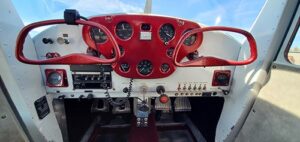 Becoming a commercial pilot takes dedication, training, and plenty of flight experience. However, building flight hours involves more than spending time in the air. Every flight should help you become a safer, more skilled, and more confident pilot.
At Bend Aircraft, we understand the value of smart flight training and proper aircraft maintenance. Therefore, pilots should focus on gaining useful experience while meeting FAA requirements. A well-planned approach can save money, improve skills, and prepare you for a successful aviation career.
Whether you recently earned your private pilot license or are working toward your instrument rating, smart time building matters. Moreover, the right training habits can help you avoid common mistakes along the way.
Understanding Flight Time Requirements for Commercial Pilots
Before planning your flight hours, you should understand the FAA requirements for a commercial pilot certificate.
Under 14 CFR Part 61, most airplane commercial pilot applicants need at least 250 total flight hours. However, the exact experience requirements depend on the aircraft category and class.
For example, the airplane single-engine commercial pilot requirements generally include:
-
250 hours of total flight time.
-
100 hours in powered aircraft, including 50 hours in airplanes.
-
100 hours of pilot-in-command time, including 50 hours in airplanes.
-
50 hours of cross-country flight time as pilot in command, including 10 hours in airplanes.
-
Required instrument training and commercial flight training.
-
Specific day and night cross-country training.
-
Required solo flight time or qualifying flight time performing pilot-in-command duties with an authorized instructor.
Additionally, certain approved Part 141 programs may offer different minimum flight-hour requirements.
Therefore, review the current FAA regulations with your instructor before creating your training plan. Meeting the total hours alone does not guarantee that you meet every requirement.
Build Flight Hours With a Clear Purpose
Flying without a plan can become expensive. Instead, create specific goals for every flight.
For example, one flight might focus on navigation skills. Another could involve practicing airport operations or improving communication with air traffic control.
Additionally, consider combining several learning goals during longer flights. You might practice navigation, radio communication, and fuel management during one cross-country trip.
However, avoid trying to accomplish too much at once. Every flight should remain manageable and safe.
Before departure, ask yourself three important questions:
-
What skills will I practice today?
-
How will this flight help my commercial pilot training?
-
What can I learn that will make me a better pilot?
As a result, your flight hours will become valuable learning experiences rather than simply numbers in your logbook.
Use Cross-Country Flights to Gain Real Experience
Cross-country flying offers one of the best ways to build useful flight time. Moreover, these flights help pilots develop important planning and decision-making skills.
Instead of flying the same familiar route, explore different airports and airspace environments.
For example, consider visiting airports with:
-
Different runway lengths and layouts.
-
Controlled and uncontrolled airspace.
-
Varying terrain and elevations.
-
Different weather patterns.
-
Busy air traffic environments.
-
New navigation and communication challenges.
Additionally, plan routes that help satisfy commercial pilot cross-country requirements.
During each flight, practice reviewing weather, calculating fuel needs, and identifying alternate airports.
Furthermore, use each trip to improve your understanding of airspace restrictions and airport procedures.
Over time, these experiences will help you become more comfortable flying beyond your local airport.
Make Safety Your First Priority
Building flight hours should never become a race. Instead, safety must guide every decision.
Some pilots feel pressure to reach their required hours quickly. Unfortunately, this pressure can lead to poor choices.
For example, pilots may attempt flights during unfavorable weather or continue flying when they feel tired.
However, experienced pilots understand that delaying a flight often represents the smartest decision.
Before every flight, evaluate:
-
Current and forecast weather conditions.
-
Aircraft maintenance and airworthiness.
-
Fuel requirements and reserves.
-
Personal health and fatigue.
-
Airport and runway conditions.
-
Terrain and airspace restrictions.
Additionally, establish personal minimums that reflect your current experience and abilities.
As your skills improve, you can adjust those minimums carefully with guidance from a qualified instructor.
Remember, reaching 250 hours means little if you develop unsafe flying habits along the way.
Take Advantage of Flight Instructor Guidance
Although solo flying helps build independence, working with a flight instructor remains valuable throughout your training.
An experienced instructor can identify weak areas before they become serious problems.
For example, your instructor might notice small issues with aircraft control, radio communication, or approach planning.
Additionally, periodic training flights can help you maintain strong habits.
Consider scheduling instructor sessions to review:
-
Emergency procedures.
-
Short-field and soft-field operations.
-
Precision landings.
-
Aircraft performance calculations.
-
Navigation and flight planning.
-
Weather-related decision-making.
-
Commercial pilot maneuvers.
Furthermore, ask your instructor to evaluate your progress toward the commercial pilot practical test.
As a result, you can identify areas that need improvement before your checkride.
Build Instrument Flying Skills Early
Instrument flying skills are extremely valuable for commercial pilots. Therefore, consider earning your instrument rating before completing your commercial certificate.
An instrument rating teaches pilots to operate safely using aircraft instruments under instrument flight rules.
Additionally, instrument training improves navigation, communication, and workload management.
These skills become especially important when flying in complex airspace or changing weather conditions.
However, an instrument rating does not remove the risks of poor weather. Pilots must still understand aircraft limitations and their own abilities.
During time building, continue practicing instrument procedures with an authorized instructor or qualified safety pilot when appropriate.
Also, remember that simulated instrument flying requires proper safety procedures and compliance with FAA regulations.
Consequently, you can develop valuable instrument skills while working toward your commercial pilot goals.
Understand the Value of Aircraft Avionics
Modern avionics can improve situational awareness and reduce pilot workload. However, pilots must understand how to use these systems correctly.
At Bend Aircraft, we specialize in aircraft avionics services and Garmin equipment installations.
For example, modern Garmin navigation systems can provide valuable flight information and navigation tools.
Additionally, updated instrument panels can improve access to important aircraft data.
Useful avionics features may include:
-
GPS navigation.
-
Moving-map displays.
-
Terrain awareness information.
-
Traffic information.
-
Electronic flight instruments.
-
Engine monitoring.
-
Compatible autopilot systems.
However, technology should support good flying skills rather than replace them.
Therefore, pilots should practice using available avionics while maintaining strong basic aircraft control and navigation skills.
Furthermore, learning different avionics systems can prepare you for flying a wider range of aircraft.
Choose Aircraft That Match Your Training Goals
Selecting the right aircraft can make time building more affordable and productive.
For example, many pilots build hours in simple, fuel-efficient training aircraft. These airplanes often provide lower operating costs than larger or more complex aircraft.
However, aircraft selection should also support your training goals.
Consider several factors before choosing an airplane:
-
Hourly rental costs.
-
Fuel efficiency.
-
Maintenance history.
-
Aircraft availability.
-
Avionics equipment.
-
Insurance requirements.
-
Training suitability.
Additionally, consider gaining experience in different aircraft when appropriate.
Flying several aircraft types can improve your ability to adapt to different handling characteristics.
However, always complete the required training and endorsements before operating unfamiliar aircraft.
As a result, you can expand your experience without taking unnecessary risks.
Keep Aircraft Maintenance a Top Priority
Aircraft maintenance plays a major role in safe flight training.
Before renting or flying an aircraft, review its maintenance status and confirm that it meets applicable airworthiness requirements.
Additionally, complete a careful preflight inspection before every departure.
Look for signs of damage, fluid leaks, worn tires, or other possible problems.
At Bend Aircraft, we understand how important reliable aircraft systems are for pilots.
Our aircraft maintenance and avionics services help aircraft owners maintain dependable equipment.
Furthermore, proper inspections and timely repairs can help prevent unexpected problems.
Never ignore a maintenance concern simply because you want to complete another flight.
Instead, report problems promptly and allow qualified maintenance personnel to evaluate them.
Save Money While Building Flight Time
Flight training represents a major financial investment. Therefore, controlling costs can help you reach your commercial pilot goals.
Start by creating a realistic training budget.
Include aircraft rental, instructor fees, fuel, supplies, and checkride expenses.
Additionally, allow room for unexpected costs.
Consider these money-saving strategies:
-
Fly regularly to maintain your skills.
-
Plan routes before arriving at the airport.
-
Study procedures on the ground.
-
Use approved flight training devices when they qualify for specific training credit.
-
Compare aircraft rental rates and operating costs.
-
Schedule flights around favorable weather conditions.
-
Combine compatible training goals when practical.
Furthermore, avoid long breaks between flights whenever possible.
Frequent practice often reduces the time needed to regain lost skills.
However, never choose a cheaper aircraft or training option if it compromises safety.
Consider Flying With Another Pilot
Flying with another pilot can create valuable learning opportunities. However, pilots must understand the rules before sharing flight time.
For example, two pilots cannot automatically log pilot-in-command time simply because they occupy the front seats.
FAA regulations determine when each pilot may log flight time.
In certain situations, one qualified pilot may act as a safety pilot while another practices simulated instrument flying.
However, both pilots must understand the applicable requirements, including who acts as pilot in command and who may log specific flight time.
Additionally, some operations require particular ratings, endorsements, or aircraft qualifications.
Therefore, review the applicable FAA rules with your instructor before arranging shared time-building flights.
When done correctly, flying with another pilot can improve communication, planning, and teamwork.
Practice Commercial Pilot Maneuvers During Training
Commercial pilot training requires a higher level of precision than private pilot training.
Therefore, start developing these skills before reaching your required flight hours.
Commercial maneuvers help pilots improve aircraft control, coordination, and judgment.
Depending on the certificate sought, training may include:
-
Steep turns.
-
Chandelles.
-
Lazy eights.
-
Eights on pylons.
-
Power-off 180-degree accuracy approaches and landings.
-
Short-field takeoffs and landings.
-
Emergency procedures.
Additionally, commercial pilots must demonstrate sound judgment and effective risk management.
Practice these maneuvers with a qualified instructor until you understand the correct procedures.
Furthermore, review the current FAA Commercial Pilot Airman Certification Standards to understand checkride expectations.
As a result, you can build both flight hours and practical test readiness.
Improve Weather Knowledge With Every Flight
Weather knowledge is essential for safe flying. Moreover, commercial pilots must understand how changing conditions affect aircraft performance and flight planning.
Before every flight, study available weather reports and forecasts.
For example, review METARs, TAFs, winds aloft, and other relevant aviation weather products.
Additionally, pay attention to:
-
Visibility and cloud ceilings.
-
Wind direction and speed.
-
Turbulence.
-
Icing conditions.
-
Thunderstorm activity.
-
Mountain weather.
-
Temperature and density altitude.
During flight, compare actual conditions with the forecast.
Furthermore, learn to recognize when conditions are becoming less favorable.
If weather deteriorates, consider diverting, returning, or landing at a suitable airport.
Most importantly, never allow your desire to build hours to override sound weather decisions.
Learn to Manage Fuel and Flight Planning
Fuel management represents another important skill for future commercial pilots.
Every flight should begin with accurate fuel planning.
First, calculate the expected fuel burn for your route. Next, consider winds, delays, and possible changes.
Additionally, follow all applicable FAA fuel reserve requirements.
However, legal minimum fuel reserves should not become your normal planning target.
Instead, carry appropriate extra fuel when aircraft performance and operating limits allow.
Furthermore, identify suitable fuel stops along your route.
As a result, you can reduce the risk of fuel-related emergencies while developing stronger flight planning habits.
Keep Accurate Flight Logs
Accurate logbook records are essential when applying for your commercial pilot certificate.
Therefore, record each flight carefully and review your totals regularly.
Your logbook should clearly identify applicable flight experience, including:
-
Total flight time.
-
Pilot-in-command time.
-
Cross-country time.
-
Night flight time.
-
Actual or simulated instrument time.
-
Dual instruction received.
-
Required training endorsements.
Additionally, record the details needed to support specific FAA aeronautical experience requirements.
For example, certain commercial training flights must meet specific distance, duration, and operating conditions.
Furthermore, remember that not every flight qualifies for every experience category.
Review your logbook with your instructor well before your commercial checkride.
Consequently, you can identify missing requirements while you still have time to complete them.
Avoid Common Time-Building Mistakes
Many pilots make avoidable mistakes while working toward their commercial certificate.
For example, some focus entirely on total flight hours and overlook specific training requirements.
Others fly the same routes repeatedly without developing new skills.
Additionally, pilots sometimes allow long gaps between training sessions.
Common mistakes include:
-
Flying without clear learning goals.
-
Ignoring weather concerns.
-
Failing to review maintenance records.
-
Logging flight time incorrectly.
-
Waiting too long to practice commercial maneuvers.
-
Choosing aircraft based only on rental price.
-
Failing to budget for additional training.
-
Rushing to complete required hours.
However, careful planning can help prevent these problems.
Instead, work with your instructor to create a training schedule that balances experience, cost, and safety.
Create a Realistic Commercial Pilot Training Plan
A clear training plan can make your journey more efficient.
Start by reviewing your current flight hours and comparing them with FAA requirements.
Next, identify the experience you still need.
For example, you may need additional cross-country, night, or pilot-in-command time.
Then, schedule flights that help you complete those requirements while improving your skills.
Additionally, set monthly goals that fit your schedule and budget.
Review your progress regularly with your instructor.
Furthermore, leave enough time for commercial maneuvers, ground study, and checkride preparation.
A realistic plan helps you stay focused without creating unnecessary pressure.
Prepare for Your Commercial Pilot Checkride
Reaching the required flight hours represents only one part of becoming a commercial pilot.
You must also demonstrate the knowledge, skills, and judgment required by the FAA.
Therefore, begin preparing for your practical test well before completing your flight time.
Review the Commercial Pilot Airman Certification Standards and identify areas that need attention.
Additionally, practice explaining important aviation topics, including aircraft systems, weather, regulations, and performance.
Your examiner will expect you to demonstrate safe aircraft control and sound decision-making.
Furthermore, your instructor can help you determine when you are ready for the practical test.
Remember, the goal is not simply to pass the checkride. Instead, focus on becoming a capable and responsible commercial pilot.
How Bend Aircraft Supports Your Aviation Journey
At Bend Aircraft, we understand that reliable aircraft systems play an important role in safe flying.
Whether you are building time toward your commercial certificate or improving your aircraft’s capabilities, dependable equipment matters.
As an authorized Garmin dealer and installation facility, Bend Aircraft offers professional avionics services and aircraft maintenance support.
Our services include avionics upgrades, custom instrument panel solutions, aircraft inspections, and other maintenance services.
Additionally, modern avionics can help pilots improve navigation awareness and manage cockpit information more effectively.
However, even the best equipment requires proper training and responsible operation.
Therefore, we encourage pilots to combine strong flying skills with dependable aircraft systems.
Frequently Asked Questions About Building Flight Time
How many flight hours do I need to become a commercial pilot?
Under Part 61, most airplane commercial pilot applicants need at least 250 total flight hours. However, specific experience requirements also apply. Certain approved Part 141 programs may have different minimums.
What is the cheapest way to build commercial pilot flight time?
Flying fuel-efficient training aircraft can help reduce costs. Additionally, careful planning and regular practice can improve training efficiency. However, safety and aircraft condition should always come first.
Can I build commercial pilot hours while earning my instrument rating?
Yes. Many instrument training flights can contribute toward your total flight experience. Additionally, some flights may satisfy multiple requirements when they meet the applicable FAA rules.
Should I fly different aircraft while building time?
Flying different aircraft can expand your experience. However, you should first complete appropriate training and obtain any required endorsements.
Can two pilots log flight time in the same aircraft?
Sometimes. However, the FAA has specific rules governing pilot-in-command time, safety pilots, and other flight time categories. Therefore, verify the requirements before logging shared flights.
How can I make my flight hours more valuable?
Set goals for every flight. Additionally, practice navigation, communication, weather planning, and aircraft management. As a result, you will gain practical experience while building your hours.
Build Your Future With Smart and Safe Flying
Becoming a commercial pilot requires more than reaching a certain number of flight hours. Instead, success comes from building experience, developing strong habits, and making safe decisions.
Every flight offers an opportunity to learn something new. Therefore, choose routes, aircraft, and training activities that support your long-term goals.
Additionally, keep accurate records, maintain your skills, and work closely with qualified instructors.
Most importantly, never rush your progress at the expense of safety.
At Bend Aircraft, we recognize the importance of reliable aircraft maintenance and modern avionics throughout your aviation journey. Our team supports aircraft owners and pilots with professional services designed to help keep aircraft operating safely and efficiently.
Whether you are preparing for your commercial pilot certificate or planning an avionics upgrade, Bend Aircraft can help you take the next step with confidence.