
How to Choose the Right Avionics
Bend Aircraft – How to Choose the Right Avionics Upgrade to Increase Safety and Reduce Workload
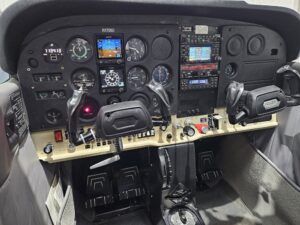 Modern avionics can change the way you fly. More importantly, the right equipment can improve safety while reducing pilot workload. However, not every aircraft needs the same upgrades. Therefore, choosing the right avionics requires careful planning.
At Bend Aircraft, avionics upgrades should focus on how you actually use your airplane. For example, an aircraft used for local VFR flights has different needs than one used for frequent IFR travel. Likewise, an older panel may need a larger update than a panel with newer equipment.
Before buying new avionics, consider your missions, current equipment, budget, and long-term plans. Then, you can build a panel that makes flying easier without adding equipment you rarely use.
Start With Your Typical Flying Mission
First, think about how you use your aircraft. Your normal flying mission should guide every major avionics decision.
For example, do you mainly fly on clear days near your home airport? Or, do you regularly fly long cross-country trips? Perhaps you often fly IFR or travel through busy airspace.
Each mission creates different needs. Therefore, start by making a list of the types of flights you complete most often.
A VFR pilot may benefit from better navigation, traffic information, and engine monitoring. Meanwhile, an IFR pilot may place greater value on a modern navigator, electronic flight instruments, and an autopilot.
Additionally, think about future flying plans. If you plan to earn an instrument rating, for example, upgrading with future IFR flying in mind can save money later.
Make Safety the Main Goal
New avionics look impressive. However, appearance should not drive your upgrade decisions.
Instead, focus on equipment that improves safety.
For example, modern electronic flight displays can place important information directly in front of the pilot. As a result, pilots may spend less time scanning several older gauges.
Likewise, traffic information can improve awareness of nearby aircraft. Terrain information can also help pilots understand possible hazards.
In addition, modern avionics may provide alerts that help pilots notice developing problems sooner. Therefore, the right equipment can improve situational awareness throughout a flight.
Bend Aircraft recommends looking at the complete safety value of an upgrade instead of focusing on one feature.
Reduce Pilot Workload With Smart Upgrades
Flying requires pilots to manage many tasks at once. Therefore, reducing workload can provide a major safety benefit.
A pilot may need to navigate, communicate, monitor weather, manage the engine, and maintain aircraft control. During IFR operations, those tasks can become even more demanding.
Modern avionics can help organize information and reduce repetitive work. For example, an integrated GPS navigator can simplify navigation and flight planning. Likewise, a modern autopilot can help maintain altitude, heading, or a selected navigation course.
However, automation should support the pilot rather than replace good flying skills. Therefore, pilots should understand how every installed system works.
When chosen carefully, automation gives pilots more time to monitor the overall flight.
Consider a Modern GPS Navigator
For many aircraft owners, a modern GPS navigator offers one of the most useful avionics upgrades.
Newer navigators can combine several functions in one unit. For example, they may support GPS navigation, flight planning, approaches, communication, and other panel functions.
As a result, pilots can access important information from a central location.
Additionally, a modern navigator can become the foundation for other avionics upgrades. It may connect with electronic flight displays, autopilots, transponders, and other systems.
Therefore, consider the entire panel before choosing a navigator. A good avionics plan should allow different systems to work together.
Look at Electronic Flight Instruments
Older round gauges have served pilots for decades. However, electronic flight instruments can provide more information in a compact space.
For example, an electronic display may combine attitude, altitude, airspeed, heading, and vertical speed information. As a result, pilots can view key flight information without scanning several separate instruments.
Additionally, some electronic instruments can display navigation information and other useful data.
Electronic flight instruments may also remove certain older mechanical components from the panel. Therefore, they can play an important role during a larger panel modernization project.
However, aircraft owners should consider panel layout, backup instruments, electrical requirements, and compatibility before choosing equipment.
Decide Whether an Autopilot Makes Sense
An autopilot can provide one of the biggest workload reductions available to many pilots. However, it should match the aircraft and flying mission.
During a long cross-country flight, an autopilot can help maintain a selected flight path. Therefore, the pilot can spend more attention on navigation, weather, engine conditions, and communication.
During IFR operations, an autopilot can become even more useful. For example, it may assist with heading changes, altitude control, navigation tracking, and other tasks depending on the installed system.
Modern autopilots may also include added safety features. However, capabilities vary between systems and installations.
Therefore, discuss your aircraft, existing avionics, and typical missions with Bend Aircraft before choosing an autopilot.
Improve Traffic Awareness
Traffic awareness has become an important part of modern cockpit safety.
Even when pilots maintain a strong visual scan, another aircraft can be difficult to spot. Therefore, traffic information can provide another layer of awareness.
Modern avionics can display nearby traffic in an easy-to-understand format. Additionally, some systems can place traffic information on a primary flight display or multifunction display.
However, pilots should continue looking outside when conditions allow. Traffic technology supports visual scanning rather than replacing it.
Still, having additional traffic information can help pilots understand what is happening around their aircraft.
Consider Weather Information for Cross-Country Flying
Weather can change quickly during a long flight. Therefore, access to useful weather information can reduce uncertainty.
Depending on the equipment and services used, pilots may have access to weather radar images, METARs, TAFs, winds, and other information.
As a result, pilots can gain a broader picture of changing conditions.
However, pilots must understand that some displayed weather information may not show current conditions in real time. Therefore, pilots should understand the limits and age of the information they receive.
When used correctly, cockpit weather information can support better planning and decision-making.
Don’t Forget Engine Monitoring
Pilots often think about navigation and flight displays when planning avionics upgrades. However, engine monitoring can also provide valuable information.
A modern engine monitor can help pilots track important engine conditions. Depending on the aircraft and system, pilots may monitor temperatures, fuel information, electrical data, and other engine values.
As a result, pilots can watch trends and identify unusual readings.
Additionally, organized engine information can make cockpit management easier. Instead of checking several separate instruments, the pilot may see key information in one location.
Therefore, engine monitoring deserves consideration during a full panel evaluation.
Think About Equipment Compatibility
One of the biggest mistakes aircraft owners can make is buying avionics one unit at a time without a larger plan.
A navigator may work well by itself. However, you may later want it to communicate with a new autopilot or electronic flight display.
If the equipment does not work together as expected, the project can become more complex.
Therefore, Bend Aircraft can help aircraft owners look at the entire avionics system before installation begins.
Planning ahead can also reduce repeated panel work. Furthermore, it may help you choose equipment that supports future upgrades.
Plan Your Panel Layout Carefully
Good avionics equipment still needs a good panel layout.
Pilots should be able to find important information quickly. Therefore, displays, switches, controls, and instruments should follow a logical layout.
For example, primary flight information should sit where the pilot can see it easily. Likewise, frequently used controls should remain easy to reach.
A clean panel can also reduce visual clutter. As a result, pilots may spend less time searching for information.
Additionally, a planned layout can improve the appearance of the cockpit. More importantly, though, it should support safe and simple operation.
Avoid Adding Technology Just Because It’s New
New avionics can offer impressive features. However, more technology does not always create a better cockpit.
Every new system requires training. Additionally, extra equipment may increase cost and complexity.
Therefore, ask whether each upgrade solves a real problem.
Will you use its features regularly?
If the answer is no, that equipment may not belong at the top of your upgrade list.
Instead, focus your budget on improvements that provide clear value during your normal flights.
Consider Your Avionics Upgrade Budget
Aircraft avionics can represent a major investment. Therefore, create a realistic budget before selecting equipment.
Remember that the equipment price is only one part of the project. Installation may require wiring, panel modifications, hardware, antennas, testing, and other work.
Additionally, older aircraft can present unexpected issues once technicians begin working behind the panel.
For that reason, discuss the complete project with Bend Aircraft before making final equipment choices.
A clear budget can also help you rank upgrades. For example, you might complete essential safety improvements first. Then, you can plan other upgrades for a later date.
Upgrade in Stages When It Makes Sense
You do not always need to replace the entire panel at once.
Instead, a planned upgrade path may allow you to improve the aircraft over time. However, each stage should support the next one.
For example, you might start with a modern navigator. Later, you could add electronic flight instruments or an autopilot that works with that navigator.
As a result, you can spread costs over several projects.
However, staged upgrades require careful planning. Otherwise, you could pay for repeated wiring or panel work.
Therefore, develop a long-term avionics plan before starting the first stage.
Consider Reliability and Support
Avionics should provide dependable service for years. Therefore, consider more than features and price.
Look at manufacturer support, equipment history, software updates, and service options. Additionally, consider whether technicians can easily support the equipment in the future.
Popular avionics platforms may also offer better integration options. As a result, future upgrades may become easier.
Bend Aircraft can help you compare equipment based on both current needs and long-term ownership.
Make Training Part of the Upgrade
A new panel only improves safety when the pilot understands it.
Therefore, training should become part of every avionics upgrade.
Learn how to operate the equipment before depending on it during demanding flights. Additionally, practice normal functions and understand what happens when something does not work as expected.
For example, pilots should know how to disconnect an autopilot quickly. Likewise, they should understand how to change navigation sources and recognize important alerts.
Simulator tools and manufacturer training resources may also help. However, hands-on practice remains important.
The goal is simple: operate the equipment without becoming distracted by it.
Keep the Panel Simple and Easy to Use
A well-designed cockpit should make flying easier.
Therefore, simplicity matters.
Pilots should not need to move through several menus to complete common tasks. Likewise, important information should remain easy to find.
A clean panel with well-integrated equipment can often provide more value than a crowded panel filled with unrelated systems.
Additionally, similar controls and connected equipment can reduce confusion. As a result, the pilot can spend more attention on flying the aircraft.
Think About Long-Term Aircraft Ownership
Before investing in avionics, consider how long you plan to own the aircraft.
If you expect to keep it for many years, a larger modernization project may provide long-term benefits. For example, you can enjoy improved features and reduced workload throughout your ownership.
Additionally, modern avionics may make an aircraft more appealing to future buyers. However, owners should choose upgrades mainly for their own flying needs rather than assuming every improvement will return its full cost.
Therefore, balance personal value, safety, usability, and long-term plans.
Work With an Experienced Avionics Shop
Avionics installation involves much more than placing equipment into the panel.
Technicians must consider wiring, antennas, electrical loads, system connections, configuration, testing, and aircraft requirements. Therefore, proper planning matters from the beginning.
An experienced avionics shop can review your current panel and discuss what you want to improve.
Additionally, the shop can help identify equipment that works well together. This approach can reduce surprises during the project and help create a cleaner finished panel.
Most importantly, good planning helps ensure that your investment supports safer and easier flying.
Build an Avionics Plan Around Your Needs
The best avionics upgrade is not always the biggest or most expensive one.
Instead, the right upgrade should match your aircraft, mission, experience, and budget. Furthermore, it should solve clear problems in the cockpit.
Start by identifying areas where you want better awareness or less workload. Then, rank possible upgrades based on safety and usefulness.
For example, one pilot may benefit most from a new navigator. Another may gain more from an autopilot. Meanwhile, another aircraft owner may want electronic flight instruments and better engine monitoring.
Therefore, there is no single panel design that works for every aircraft.
Choose Bend Aircraft for Your Avionics Upgrade
Choosing new avionics can feel complex because aircraft owners have many options. However, a clear plan makes the process much easier.
Bend Aircraft can help you evaluate your current equipment, flying mission, future plans, and upgrade goals. From there, you can focus on avionics that provide useful improvements instead of simply adding more technology.
Most importantly, your upgraded panel should help you become a safer and more informed pilot. It should also make common cockpit tasks easier to manage.
Therefore, begin with safety, consider workload, and plan for the future. With the right approach, your avionics upgrade can create a cleaner, more capable, and easier-to-use cockpit for years to come.