
How to Get Your Private Pilot License
Bend Aircraft – How to Get Your Private Pilot License: A Complete Beginner’s Roadmap
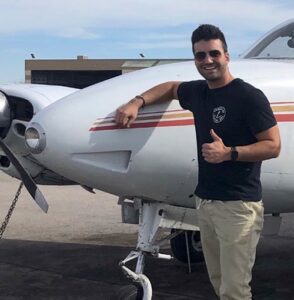
Flight Instructor Derek Mcginnis
Learning to fly can turn a lifelong dream into a real skill. However, many new pilots do not know where to begin. The process may seem complicated at first. Fortunately, earning your Private Pilot License becomes much easier when you follow a clear roadmap.
At Bend Aircraft, we understand how important training, aircraft safety, maintenance, and reliable equipment are to every pilot. Your Private Pilot License, often called a PPL, gives you the foundation you need for years of flying.
Whether you want to fly for recreation or eventually become a professional pilot, the Private Pilot License is often the first major step. Therefore, understanding the process before you begin can save time, reduce stress, and help you prepare for training.
Here is a beginner-friendly roadmap for getting started.
What Is a Private Pilot License?
A Private Pilot License allows you to act as pilot in command of an aircraft within the privileges and limits of your certificate and ratings.
Unlike a student pilot, a private pilot can carry passengers. However, private pilots generally cannot fly passengers or property for compensation or hire. Federal Aviation Administration rules contain specific exceptions and limitations, so pilots should understand the regulations that apply to each flight.
For many people, the PPL also opens the door to more advanced training. For example, you may later pursue an instrument rating, commercial pilot certificate, multi-engine rating, or other aviation goals.
Most importantly, private pilot training teaches much more than how to control an airplane. You also learn weather, navigation, aircraft systems, regulations, emergency procedures, aeronautical decision-making, and risk management.
Step 1: Make Sure You Meet the Basic Requirements
Before starting flight training, learn the basic FAA requirements.
You can begin taking flying lessons before you are old enough to earn your certificate. However, for an airplane rating, you generally must be at least 16 years old to solo and at least 17 years old to earn a Private Pilot Certificate.
Additionally, you must be able to read, speak, write, and understand English, subject to certain FAA exceptions.
You will also need the proper student pilot and medical qualifications before flying solo. Therefore, talk with your flight school or instructor early about these requirements.
Starting with the paperwork may not feel exciting. However, getting these details handled early can prevent unnecessary delays later.
Step 2: Consider Getting Your Medical Certificate Early
For many student pilots pursuing a traditional Private Pilot Certificate, getting the required FAA medical certificate early is a smart move.
An Aviation Medical Examiner, commonly called an AME, performs the examination and determines whether you meet the applicable medical standards. For private pilot privileges that require a medical certificate, a third-class medical is commonly associated with initial private pilot training.
However, medical rules can vary based on your situation and the type of flying you plan to do. BasicMed may also apply to some pilots after they meet its eligibility requirements.
Therefore, discuss your situation with your instructor and an AME when needed.
More importantly, if you have questions about whether a medical issue could affect certification, address them before spending a large amount of money on flight training. Doing this early may save both time and frustration.
Step 3: Find the Right Flight School and Instructor
Your instructor will play a major role in your progress. Therefore, do not choose a flight school based only on hourly price.
Instead, visit the school and ask questions. Look at the aircraft, maintenance practices, scheduling system, instructor availability, and overall operation.
Additionally, ask how often you can realistically fly. Consistency matters because long gaps between lessons may cause you to spend extra time relearning skills.
A good Certified Flight Instructor, or CFI, should explain concepts clearly and encourage questions. Moreover, you should feel comfortable discussing mistakes and areas where you need improvement.
Safety should always come first. Therefore, look for a training environment that promotes good decision-making rather than simply trying to complete lessons as quickly as possible.
Step 4: Take an Introductory Flight
If you have never flown a small training aircraft, consider taking a discovery or introductory flight.
During this flight, an instructor can introduce you to the aircraft and basic controls. In many cases, you may get an opportunity to handle the controls with your instructor supervising you.
As a result, you can experience flight training before making a larger commitment.
An introductory flight also gives you a chance to evaluate the instructor and flight school. Pay attention to how the instructor communicates. Additionally, look at the aircraft and overall condition of the operation.
Afterward, ask yourself a simple question: Can I see myself training here regularly?
Step 5: Start Ground School
Flying is only one part of becoming a pilot. You must also understand what happens behind the controls.
Ground training covers subjects such as aerodynamics, aircraft systems, weather, FAA regulations, navigation, airport operations, weight and balance, performance, radio communication, and aeronautical decision-making.
Fortunately, students have several ways to complete their ground training. You may attend classes, use an online ground school, study with your instructor, or combine several methods.
However, do not treat ground school as something you simply need to finish for a test. The information you learn can directly affect your safety.
For example, understanding weather helps you decide whether a flight should happen at all. Likewise, understanding aircraft performance helps you determine whether an airplane can safely operate from a particular runway under specific conditions.
Step 6: Begin Your Flight Training
Now the real adventure begins.
Your early lessons will usually focus on basic aircraft control. For example, you will learn climbs, descents, turns, straight-and-level flight, takeoffs, and landings.
Next, your instructor will introduce more advanced maneuvers and emergency procedures.
You will also learn how to conduct a proper preflight inspection. This step deserves serious attention because a careful preflight can identify problems before the airplane leaves the ground.
Additionally, you will learn checklist use, radio communication, airport procedures, traffic patterns, and aircraft limitations.
As your skills improve, your instructor will gradually give you more responsibility.
Step 7: Learn to Preflight Like a Pilot
A preflight inspection should never become a rushed routine.
Instead, approach the airplane with curiosity. Look for anything that seems unusual. Check fuel, oil, tires, control surfaces, lights, antennas, the pitot-static system, and other items required by the aircraft checklist.
Additionally, look underneath and around the aircraft. Fluid leaks, damaged tires, loose hardware, or unusual wear may provide early warnings of a problem.
If something does not look right, ask.
At Bend Aircraft, we believe pilots and maintenance professionals share an important goal: keeping aircraft safe and airworthy. Therefore, communication between pilots, instructors, and mechanics matters.
A pilot should never feel embarrassed about asking a maintenance question.
Step 8: Prepare for Your First Solo Flight
Your first solo is one of the biggest milestones in pilot training.
Before your instructor authorizes you to solo, you must demonstrate the knowledge, judgment, and flying skills needed to operate safely on your own.
Additionally, your instructor must provide the required training and endorsements.
Your first solo may include only a few trips around the traffic pattern. However, those minutes can become some of the most memorable moments of your aviation journey.
More importantly, soloing means your instructor trusts your ability to safely operate the aircraft within the conditions and limitations established for the flight.
Therefore, focus on competence rather than speed. Every student progresses at a different rate.
Step 9: Build Cross-Country Experience
After your initial solo work, your training will expand.
You will begin learning how to plan and complete cross-country flights. In aviation, a cross-country flight involves more than simply flying a long distance. FAA rules contain specific definitions depending on the certificate, rating, and experience being logged.
During training, you will learn route planning, navigation, fuel planning, weather evaluation, airport selection, and in-flight decision-making.
Additionally, you will complete required solo cross-country experience.
These flights help develop confidence. However, they also teach an important lesson: good pilots constantly evaluate changing conditions.
Weather can change. Winds can differ from forecasts. Airports can become unavailable. Equipment can develop problems.
Therefore, a safe pilot always has another option.
Step 10: Complete Your Required Flight Experience
Under FAA Part 61 rules, an applicant for a Private Pilot Certificate with an airplane single-engine rating generally needs at least 40 hours of flight time.
However, 40 hours is a minimum, not a guarantee.
Many students require additional time before they reach the knowledge, skill, and judgment standards required for the practical test. Therefore, avoid treating the minimum number as a deadline.
Your required experience includes specific categories of dual instruction and solo flying. These requirements include cross-country training, night training, instrument training, takeoffs and landings, and preparation for the practical test.
Your instructor will help you track these requirements in your logbook.
Most importantly, focus on becoming a safe and capable pilot rather than simply accumulating hours.
Step 11: Pass the FAA Knowledge Test
Before earning your Private Pilot Certificate, you must pass the required FAA knowledge test.
Ground school prepares you for this exam. However, good preparation should go beyond memorizing practice questions.
Instead, understand why an answer is correct.
For example, learn how weather systems develop instead of only memorizing weather symbols. Likewise, understand aircraft performance calculations instead of memorizing a single formula.
This deeper understanding will help during your practical test. More importantly, it will help after you become a licensed pilot.
Step 12: Prepare for the Practical Test
Once you complete the required training and your instructor believes you are ready, you can prepare for your practical test, often called the checkride.
The checkride normally includes an oral portion and a flight portion.
During the oral portion, the examiner evaluates your aeronautical knowledge and decision-making. Then, during the flight, you demonstrate the required skills and maneuvers.
The FAA Airman Certification Standards, or ACS, explains the areas you need to know and perform.
Therefore, use the ACS throughout your training instead of waiting until the final weeks.
Your instructor will also help identify weak areas before recommending you for the test.
Step 13: Pass Your Checkride
Checkride day can feel stressful. However, preparation builds confidence.
Start by getting organized. Have the required documents, aircraft records, planning materials, and other items ready.
Additionally, know the airplane you will fly. Understand its systems, limitations, performance, and required inspections.
During the flight, focus on safe aircraft control and sound decision-making. If something does not go exactly as planned, continue flying the airplane and use good judgment.
After successfully completing the practical test, you will have earned an important aviation milestone: becoming a private pilot.
How Long Does It Take to Get a Private Pilot License?
There is no single timeline for every student.
Some people train several times each week and finish relatively quickly. Others train around work, family, school, weather, aircraft availability, and financial limits.
However, consistent training often helps students progress more efficiently.
For example, flying two or three times each week can help you retain skills between lessons. In contrast, long gaps may require extra review.
Therefore, build a realistic schedule before you start.
Weather also matters. Aircraft maintenance, instructor schedules, and other factors can cause delays. Consequently, give yourself some flexibility.
How Much Does a Private Pilot License Cost?
The total cost can vary widely.
Aircraft rental rates, fuel, instructor rates, location, aircraft type, training frequency, insurance, equipment, medical expenses, testing fees, and the number of flight hours you need can all affect the final price.
Therefore, ask prospective flight schools for a realistic estimate based on typical completion times, not only the FAA minimum.
Also, ask what the quoted price includes.
You may need to budget for books, charts, a headset, ground school, testing, examiner fees, and other training supplies.
Planning your finances ahead of time can help you maintain a steady training schedule.
Why Aircraft Condition Matters During Training
Students naturally focus on instructors and lesson costs. However, the aircraft itself deserves attention.
Training airplanes work hard. They may perform many takeoffs and landings each day. Therefore, good maintenance remains critical.
Reliable avionics also support effective training. Radios, navigation equipment, flight instruments, engine instruments, and other systems help students develop good habits.
Furthermore, training in a well-maintained aircraft can help you understand what normal operation looks and feels like.
At Bend Aircraft, aircraft maintenance and avionics are important parts of aviation safety. Pilots depend on these systems every time they fly.
Build Good Maintenance Awareness Early
You do not need to become an aircraft mechanic to become a good pilot. However, you should understand your aircraft.
Learn where to find maintenance information. Additionally, understand required inspections and aircraft documents.
Pay attention to unusual sounds, smells, vibrations, instrument indications, and changes in performance.
If something seems different, investigate it before assuming everything is fine.
Furthermore, communicate clearly when reporting a problem. A detailed pilot report can help a mechanic understand what happened and when it occurred.
Developing this habit during flight training can serve you throughout your flying career.
What Comes After Your Private Pilot License?
Earning your PPL is not the end of learning. Instead, it is the beginning.
After becoming a private pilot, you can continue building experience and improving your skills.
For example, many pilots pursue an instrument rating. Instrument training can improve your understanding of weather, navigation, avionics, aircraft control, and decision-making.
Other pilots pursue commercial training, multi-engine privileges, complex or high-performance endorsements, tailwheel training, or other advanced opportunities.
Meanwhile, some pilots simply enjoy local flights, cross-country trips, and sharing aviation with friends and family.
Whatever path you choose, continue learning.
Develop Safe Habits From Day One
Aviation rewards preparation.
Therefore, start building professional habits during your first lessons. Use checklists correctly. Review weather carefully. Calculate fuel needs. Understand aircraft performance. Maintain personal minimums. Stay current and proficient.
Most importantly, know when not to fly.
A Private Pilot Certificate gives you privileges. However, good judgment determines how safely you use them.
Weather, fatigue, pressure, aircraft condition, and experience can all affect a flight. Consequently, successful pilots learn to recognize risks before those risks become emergencies.
Start Your Aviation Journey With Bend Aircraft
Getting your Private Pilot License can seem like a long process when you first look at all the requirements. However, each stage builds naturally on the one before it.
First, learn the requirements and find a good instructor. Next, begin ground and flight training. Then, work toward your first solo, complete your cross-country experience, pass the knowledge test, and prepare for your checkride.
Along the way, pay close attention to aircraft condition, avionics, maintenance, weather, and good decision-making.
Bend Aircraft understands that safe flying depends on more than simply knowing how to move the controls. Reliable aircraft systems, quality maintenance, modern avionics, careful inspections, and knowledgeable pilots all work together.
Therefore, whether you are beginning flight training or already own an aircraft, make safety part of every decision.
Your first pilot certificate can open the door to a lifetime of aviation. With good training, consistent practice, and respect for the aircraft, you can build the skills and confidence needed to enjoy that journey safely.