
How to Prepare for a Checkride
Bend Aircraft – How to Prepare for a Checkride: DPE Expectations & Common Errors
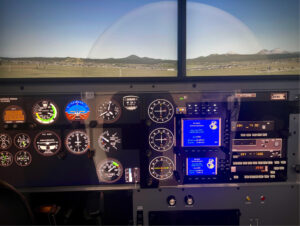 A checkride is one of the biggest steps in becoming a pilot. After weeks or months of training, you finally get to show what you have learned. However, a checkride is about more than flying the airplane. You also need to show good judgment, solid planning, and safe decision-making.
At Bend Aircraft, we know that good preparation can help pilots feel more confident. Although every checkride can be a little different, Designated Pilot Examiners, or DPEs, follow standards for the certificate or rating you want to earn.
Therefore, preparation should cover both knowledge and flying skills. You should also understand your aircraft, its systems, and its limitations. Most importantly, you should be ready to make safe decisions from the start of the checkride to the finish.
Understand What the DPE Is Looking For
First, remember that a DPE is not simply looking for perfect flying. Instead, the examiner needs to determine whether you meet the required standards for your certificate or rating.
Depending on the checkride, the examiner will evaluate several areas. These may include flight planning, aircraft systems, weather, regulations, emergency procedures, and risk management.
In addition, the examiner will watch how you make decisions. For example, can you recognize a problem before it becomes dangerous? Can you explain why you would delay or cancel a flight? Likewise, do you know when a situation is moving beyond your skill level?
Therefore, do not prepare by simply memorizing answers. Instead, learn how to apply your knowledge to real flying situations.
Study the Airman Certification Standards
One of the best ways to prepare is to study the applicable Airman Certification Standards, or ACS. The ACS outlines the knowledge, risk management, and flight skills that may be evaluated.
Therefore, use it as a roadmap for your preparation.
Go through each task and ask yourself whether you can explain it without help. Next, decide whether you can perform the required flight tasks within the published standards.
For example, do not assume you understand aircraft performance because you completed a worksheet several months ago. Instead, practice calculating takeoff distance, landing distance, fuel needs, weight and balance, and aircraft performance.
Likewise, review areas where you have struggled during training. Extra practice now may help you avoid problems during the checkride.
Know Your Aircraft
A DPE may ask several questions about the airplane you bring to the checkride. Therefore, you should understand the aircraft before you arrive.
Start with the Pilot’s Operating Handbook or approved aircraft flight manual. Know the aircraft’s basic systems, limitations, operating procedures, and emergency procedures.
In addition, understand the fuel, electrical, engine, flight control, and pitot-static systems as they apply to your aircraft.
You should also know what equipment is installed in the panel. For example, if your aircraft has modern Garmin avionics, you should understand how to use the equipment safely. However, you should also know what you would do if part of the system failed.
Automation can reduce workload. Still, it should never replace basic flying skills or good judgment.
Review the Aircraft Documents
Before your checkride, make sure the aircraft is legal and ready for the flight.
Additionally, know which documents must be in the aircraft. You should understand the required inspections and maintenance records that show the aircraft meets applicable requirements.
Do not wait until checkride morning to discover a problem.
Instead, review the aircraft records ahead of time with your instructor or maintenance provider when appropriate. Check inspection dates and make sure required documents are available.
A well-prepared applicant should understand why the aircraft is airworthy rather than simply saying that someone else checked it.
Prepare Your Cross-Country Flight Plan
Many practical tests include flight-planning scenarios. Therefore, take your cross-country planning seriously.
Review the route, weather, fuel requirements, aircraft performance, airspace, airports, and possible alternatives.
In addition, think beyond the basic numbers. Ask yourself what you would do if the weather changed. Consider where you could land if you developed a mechanical issue.
Also, identify possible risks along your route.
For example, mountains, high density altitude, strong winds, smoke, thunderstorms, icing conditions, or limited airport services may affect your decisions.
Your examiner may change the scenario during the discussion. Therefore, understand your plan well enough to adjust it instead of relying only on a completed form.
Be Ready to Explain the Weather
Weather often plays an important role during a checkride.
Therefore, you should know how to gather and interpret weather information. More importantly, you should be able to explain how that information affects your planned flight.
Simply reading weather reports is not enough.
For example, explain what changing winds mean for your route. Likewise, discuss how temperature may affect aircraft performance. If conditions are getting worse, explain what limits would cause you to delay, divert, or cancel.
Good pilots know that completing the flight is never more important than safety.
Expect Scenario-Based Questions
Many applicants expect simple questions with one-word answers. However, checkrides often include scenarios that require deeper thinking.
For example, the examiner may ask what you would do if a passenger pressured you to continue into poor weather. The examiner might also ask how you would handle an equipment failure during a flight.
Therefore, practice explaining your thought process.
Do not rush to give an answer. Instead, identify the problem, consider your options, and choose a safe course of action.
In addition, explain why you made that choice.
This approach shows that you understand both the rule and its practical use.
Avoid Rushing Through the Preflight
Nerves can cause pilots to move too quickly. As a result, applicants may overlook items during the preflight inspection.
Instead, slow down and use your normal routine.
Carefully inspect the aircraft just as you would before any other flight. Check the fuel, oil, control surfaces, tires, lights, antennas, and other required items.
Additionally, look for signs of damage, leaks, loose hardware, or anything else that seems unusual.
If something does not look right, investigate it.
A checkride is not the time to ignore a questionable aircraft condition because you do not want to delay the test. Safe decision-making always comes first.
Use Checklists
Another common mistake involves relying too much on memory.
You may have completed the same procedures hundreds of times. However, that does not mean you should stop using checklists.
Therefore, use the appropriate checklist during normal operations, emergencies when practical, and other required procedures.
Checklists help prevent missed items. In addition, they show that you follow a repeatable process.
However, avoid becoming so focused on the checklist that you stop looking outside or lose awareness of what the airplane is doing.
The checklist should support your flying, not distract from it.
Maintain Positive Aircraft Control
During the flight portion, your first job is to fly the airplane.
Therefore, avoid becoming distracted by navigation equipment, radios, or minor errors.
For example, if you make a small mistake while programming the GPS, continue controlling the airplane first. Then, correct the problem when your workload allows.
Likewise, maintain proper airspeed, altitude, heading, and coordination as required for each maneuver.
If something begins to go wrong, recognize it early and correct it.
A small mistake does not always have to become a major problem.
Do Not Chase the Instruments
Applicants sometimes become so focused on maintaining exact numbers that they constantly make large control changes.
Instead, make smooth and measured corrections.
For example, if you drift slightly from your altitude, correct the trend rather than making an aggressive pitch change. Likewise, use proper trim so you do not have to fight the airplane.
Good aircraft control often comes from staying ahead of the airplane.
Therefore, look for trends before they turn into larger deviations.
Practice Your Radio Communication
Radio communication can create extra stress during a checkride. Therefore, practice until normal calls feel comfortable.
Listen carefully before transmitting. Then, think about what you need to say.
Keep transmissions clear and brief.
If you do not understand a controller’s instruction, ask for clarification. Never pretend you understood a clearance when you did not.
In addition, remember that clear communication supports situational awareness. Good radio work can also reduce your workload during busy phases of flight.
Know How to Handle Mistakes
Few checkrides are completely perfect. Therefore, do not assume one small error means you have failed.
Instead, continue flying the airplane and correct the issue.
For example, if your altitude begins to drift, recognize the change and correct it. If you forget a step, address it safely when you notice the problem.
Most importantly, do not let one mistake cause several more.
Pilots sometimes become frustrated after a small error. As a result, they stop focusing on the next task.
Stay in the present and continue flying safely.
Demonstrate Good Risk Management
Risk management should appear throughout your checkride.
Before the flight, consider the pilot, aircraft, environment, and outside pressures. In addition, think about how several small risks can combine into a larger problem.
For example, a little fatigue may not seem serious by itself. However, add strong winds, an unfamiliar airport, and poor visibility, and the overall risk can increase quickly.
Therefore, evaluate the entire situation.
A safe pilot knows when conditions have reached an unacceptable level.
Get Enough Rest Before the Checkride
Studying late into the night before your checkride may do more harm than good.
Instead, finish your major preparation early. Then, use the final evening for a light review.
Organize your documents, flight planning materials, identification, pilot records, aircraft information, and other required items.
After that, get a good night’s sleep.
Being rested can improve concentration, memory, and decision-making. In addition, arriving early can give you time to settle in without feeling rushed.
Treat the DPE Like a Passenger
Another useful approach is to treat the examiner as if they were a knowledgeable passenger.
Explain important decisions when appropriate. For example, if you decide not to accept a runway because of wind conditions, explain your reasoning.
Likewise, if you identify a safety issue, address it.
However, avoid talking so much that it distracts you from flying.
Instead, communicate naturally and clearly.
Your goal is to show that you can act as pilot in command and make safe choices.
Common Checkride Errors to Watch For
Several mistakes can create problems during a practical test. Fortunately, good preparation can help reduce them.
Common errors may include poor checklist use, weak aircraft knowledge, incomplete weather planning, rushed preflight inspections, and poor airspeed control.
In addition, applicants may struggle because they fixate on instruments or avionics. Others may fail to clear the area before maneuvers or allow small deviations to grow.
Poor communication can also increase workload.
Therefore, practice complete flights instead of working only on individual maneuvers. A full practice flight helps you connect planning, communication, aircraft control, and decision-making.
Prepare for the Unexpected
Your checkride may not happen exactly as you imagined.
Weather may change. An aircraft issue may appear. Air traffic may become busy. Likewise, the examiner may introduce an unexpected scenario.
Therefore, stay flexible.
Do not memorize a perfect sequence and expect everything to follow it. Instead, understand the reasons behind each procedure.
When something changes, return to the basics: fly the airplane, assess the situation, manage risk, and make a safe decision.
Bend Aircraft Supports Safe and Prepared Pilots
A successful checkride starts long before the examiner arrives. Good preparation includes studying, practicing, planning, and understanding the aircraft you will fly.
At Bend Aircraft, we understand the importance of reliable aircraft systems and a well-maintained airplane. In addition, modern avionics can improve situational awareness and reduce workload when pilots know how to use them correctly.
Before your checkride, make sure you know your airplane, understand your equipment, and feel comfortable with your normal procedures.
Most importantly, focus on being a safe pilot rather than trying to create a perfect performance.
Your DPE wants to see that you can apply your knowledge, control the aircraft, recognize risk, and make sound decisions. Therefore, prepare carefully, use your checklists, stay ahead of the airplane, and correct mistakes before they grow.
With strong preparation and consistent habits, you can approach your checkride with greater confidence and focus.
Bend Aircraft is committed to supporting pilots with quality aircraft maintenance, avionics services, inspections, and panel solutions that help keep aircraft ready for the next flight.