
How to Manage Aircraft Records: Logbooks, Invoices, STCs & 337s Explained
Why Aircraft Records Matter
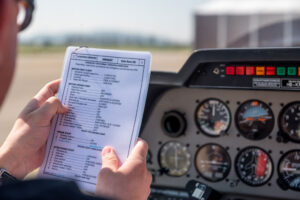 When you own an aircraft, you must keep clear records. In fact, good records protect your investment and your safety. Also, they help you stay legal with FAA rules. Because of this, Bend Aircraft always stresses strong record management.
Moreover, clean records make inspections faster and easier. As a result, you save time and avoid stress. In addition, buyers will trust your aircraft more when records stay complete. Therefore, proper documentation adds real value. Likewise, strong records reduce risk during ownership.
What Are Aircraft Logbooks
Aircraft logbooks track your plane’s history. First, they show maintenance work. Next, they list inspections and repairs. Also, they record flight hours and engine time.
Because logbooks hold so much detail, you must protect them. For example, store them in a dry and safe place. In addition, always update them after each service. This way, you keep everything current.
At Bend Aircraft, technicians carefully enter each service item. As a result, your logbooks stay accurate and easy to follow. Furthermore, clear entries help mechanics understand past work quickly.
Types of Logbooks You Should Know
There are several types of logbooks. First, you have the airframe logbook. This tracks the aircraft body. Next, you have the engine logbook. This tracks engine performance and repairs.
Then, you also have propeller logbooks. These focus on propeller service and hours. Finally, avionics records track upgrades and system checks.
Because each logbook serves a purpose, you should keep them organized. Also, label them clearly so you can find them fast. In addition, consistent labeling reduces confusion.
How to Keep Logbooks Organized
Good organization saves time. First, keep logbooks in order by date. Then, use tabs or labels for quick access. Also, avoid loose papers that can get lost.
Instead, store all entries in one place. As a result, you reduce confusion. In addition, you make inspections smoother. Furthermore, you help technicians work faster.
At Bend Aircraft, organized records help speed up annual inspections. Therefore, owners avoid delays and extra costs. Likewise, organized records reduce stress during audits.
The Role of Invoices in Aircraft Records
Invoices show proof of work. Whenever a shop completes service, they provide an invoice. This document explains what was done and how much it cost.
Because invoices support logbook entries, you should keep them together. Also, they help verify parts and labor. As a result, you can track spending over time.
In addition, buyers often review invoices before purchasing an aircraft. Therefore, keeping them neat adds trust and value. Furthermore, invoices help resolve disputes if they arise.
Best Practices for Storing Invoices
You should store invoices in folders or binders. First, group them by year. Then, separate them by type of service.
Also, consider scanning them into digital files. This way, you have a backup if paper copies get damaged. In addition, digital files allow quick searches.
At Bend Aircraft, many owners now use digital storage. As a result, they access records quickly from anywhere. Likewise, backups protect against loss.
What Are STCs (Supplemental Type Certificates)
STCs allow modifications to aircraft. When you install new equipment, you often need an STC. This approval shows the change meets safety standards.
Because STCs affect your aircraft design, you must keep them on file. Also, they prove that upgrades are legal.
For example, if you install new avionics, the STC will document that change. As a result, inspectors can verify compliance easily. Furthermore, buyers gain confidence in your upgrades.
Why STCs Are Important
STCs protect both safety and value. First, they confirm that modifications follow FAA rules. Then, they show future buyers that upgrades were done correctly.
Without proper STCs, you may face problems during inspections. Therefore, always store them with your records. In addition, missing STCs can delay a sale.
At Bend Aircraft, technicians ensure every upgrade includes the correct STC paperwork. Because of this, owners avoid compliance issues. Likewise, records stay complete and trusted.
Understanding FAA Form 337
FAA Form 337 documents major repairs or alterations. When work goes beyond simple maintenance, this form becomes required.
For example, structural changes or major system upgrades need a 337. Also, this form provides a detailed record of the work performed.
Because of its importance, you must keep every 337 form with your records. In addition, inspectors will review these forms closely. Furthermore, these forms support your aircraft’s history.
How 337 Forms Work
A technician completes the 337 after major work. Then, they submit it to the FAA. After that, a copy stays with your aircraft records.
This process ensures transparency. As a result, all major changes remain documented. In addition, it protects both owner and technician.
At Bend Aircraft, every 337 gets handled with care. Therefore, your aircraft stays compliant and well-documented. Likewise, records remain easy to review.
Keeping Records FAA Compliant
FAA rules require accurate records. Because of this, you must update documents regularly. Also, you must keep records for specific time periods.
For example, some records stay with the aircraft forever. Others only need short-term storage.
Therefore, you should know which documents to keep long-term. If you feel unsure, Bend Aircraft can guide you. In addition, regular reviews help ensure compliance.
Digital vs Paper Records
Today, many owners use digital records. While paper still works, digital files offer easy access. Also, they reduce the risk of loss.
However, you should keep original documents when possible. Then, use digital copies as backups. In addition, cloud storage adds another layer of safety.
This approach gives you the best of both systems. As a result, you stay organized and secure. Likewise, you gain quick access when needed.
Common Mistakes to Avoid
Many owners make simple mistakes. First, they forget to update logbooks. Then, they lose invoices or paperwork.
Also, some fail to keep STCs or 337 forms. Because of this, they face issues during inspections or sales.
To avoid problems, stay consistent. In addition, review your records often. This way, you catch errors early. Furthermore, routine checks build good habits.
Preparing for an Aircraft Sale
When you sell an aircraft, records matter a lot. Buyers want complete documentation. Therefore, clean records can increase your selling price.
First, organize all logbooks. Then, gather invoices, STCs, and 337 forms. Also, check for missing entries.
At Bend Aircraft, experts can review your records before a sale. As a result, you present your aircraft with confidence. Likewise, you reduce buyer concerns.
How Bend Aircraft Helps Owners
Bend Aircraft supports aircraft owners at every step. First, they help maintain accurate logbooks. Then, they ensure all paperwork meets FAA standards.
Also, they guide owners on proper storage and organization. Because of this, records stay clear and complete.
In addition, their team handles avionics upgrades with full documentation. Therefore, every STC and 337 gets filed correctly. Furthermore, owners gain peace of mind.
Final Thoughts on Aircraft Record Management
Managing aircraft records may seem complex. However, with the right steps, it becomes simple. First, stay organized. Then, update records often.
Also, keep all documents together. This includes logbooks, invoices, STCs, and 337 forms. In addition, review them on a regular schedule.
Because strong records protect your aircraft, you should treat them with care. In the end, good documentation saves time, money, and stress.
With help from Bend Aircraft, you can keep everything in order. As a result, you fly with confidence and peace of mind.