
How to Budget Annual Operating Costs of Aircraft Ownership (Realistic Breakdown)
Bend Aircraft – How to Budget Annual Operating Costs of Aircraft Ownership (Realistic Breakdown)
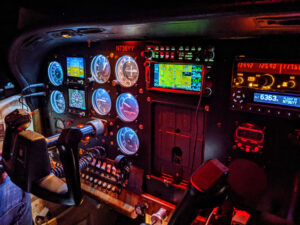 Annual Operating Costs – Owning an aircraft is exciting. However, many owners focus on the purchase price and overlook the yearly costs. As a result, unexpected expenses can quickly affect a budget. Fortunately, careful planning helps you avoid surprises and enjoy your aircraft with confidence.
At Bend Aircraft, we often speak with owners who want a clearer picture of annual operating costs. While every aircraft is different, most owners face the same categories of expenses. Therefore, understanding these costs helps you make better decisions and protect your investment.
In this guide, Bend Aircraft explains the major expenses of aircraft ownership and provides a realistic breakdown of what you should expect each year.
Why Budgeting Matters for Aircraft Owners
Aircraft ownership comes with freedom and flexibility. However, it also comes with responsibilities. If you fail to plan ahead, maintenance bills and Annual Operating Costs can add up quickly.
Additionally, a good budget helps you:
- Avoid financial surprises
- Schedule maintenance more effectively
- Plan upgrades and improvements
- Increase aircraft reliability
- Protect resale value
Most importantly, a realistic budget allows you to spend more time flying and less time worrying about costs.
Start With Fixed Annual Costs
Some aircraft expenses stay relatively consistent every year. Therefore, these fixed costs should form the foundation of your annual budget.
Common fixed expenses include:
- Hangar or tie-down fees
- Insurance
- Annual inspection
- Database subscriptions
- Registration fees
- Financing payments
Even if your aircraft never leaves the hangar, these expenses continue throughout the year.
Hangar and Storage Costs
Storage costs vary widely depending on location and aircraft size.
For example, a tie-down space may cost a few hundred dollars per month. Meanwhile, a private hangar can cost significantly more.
Although hangar storage increases annual expenses, it often protects the aircraft from weather damage. As a result, owners may save money on paint, interiors, and corrosion repairs over time.
When creating a budget, include:
- Monthly hangar rent
- Tie-down fees
- Shared hangar expenses
- Electricity costs if applicable
Consequently, storage expenses often become one of the largest fixed ownership costs.
Aircraft Insurance
Insurance is another major annual expense.
Several factors affect premiums, including:
- Aircraft type
- Aircraft value
- Pilot experience
- Flight hours
- Coverage limits
- Aircraft usage
Generally, newer pilots pay higher premiums. However, rates often improve as experience increases.
Therefore, it is wise to obtain updated insurance quotes each year when planning your budget.
Annual Inspection Costs
Every aircraft owner should budget for annual inspections.
The inspection itself represents only part of the cost. Additionally, mechanics may discover items that require repair or replacement.
A typical annual inspection may include:
- Airframe evaluation
- Engine inspection
- Logbook review
- Safety checks
- Compliance verification
While some years may require only minor corrections, other years may uncover more significant maintenance needs.
Because of this, many owners set aside additional funds beyond the inspection fee itself.
Fuel Costs: The Largest Variable Expense
Fuel often becomes the largest operating cost for active aircraft owners.
Naturally, fuel expenses depend on:
- Flight hours
- Engine size
- Fuel prices
- Cruise settings
- Aircraft type
For example, an aircraft flown 50 hours annually will consume much less fuel than one flown 200 hours per year.
Therefore, estimating your expected flight hours provides a strong starting point for fuel budgeting.
Additionally, fuel prices fluctuate throughout the year. As a result, building a small cushion into your budget can help offset unexpected increases.
Oil Changes and Routine Maintenance
Routine maintenance keeps your aircraft operating safely and efficiently.
Common recurring expenses include:
- Oil changes
- Oil filters
- Spark plugs
- Tire replacements
- Brake servicing
- Battery maintenance
Although individual costs may seem small, they add up over time.
Consequently, owners should include routine maintenance as a separate budget category rather than treating it as an occasional expense.
Engine Reserve Planning
One of the most important budgeting strategies involves creating an engine reserve fund.
Every engine eventually reaches overhaul time. Therefore, owners should prepare long before that day arrives.
Many owners calculate an hourly reserve amount and place money aside after every flight hour.
For example, if an overhaul is expected to cost $40,000 and the engine has a 2,000-hour TBO, an owner might reserve approximately $20 per flight hour.
As a result, the overhaul becomes a planned expense instead of a financial emergency.
Propeller Maintenance and Overhaul Costs
Just like engines, propellers require maintenance and eventual overhaul.
Many owners forget to budget for propeller expenses. However, overhaul intervals often occur based on both hours and calendar time.
Therefore, include propeller reserves within your annual ownership budget.
This planning approach helps spread costs over several years rather than facing one large invoice later.
Avionics Database Subscriptions
Modern aircraft often rely on electronic navigation systems.
As a result, database subscriptions have become common ownership expenses.
These subscriptions may include:
- GPS navigation updates
- Terrain databases
- Obstacle databases
- Chart subscriptions
- Electronic flight bag services
Although these costs may seem minor compared to fuel or maintenance, they should still be included in annual planning.
Unexpected Maintenance Expenses
No matter how carefully you budget, unexpected repairs can happen.
For example, aircraft owners occasionally face:
- Alternator failures
- Starter issues
- Vacuum system repairs
- Sensor replacements
- Avionics troubleshooting
Because unexpected events occur, many experienced owners maintain an emergency maintenance reserve.
A dedicated reserve fund helps absorb surprise costs without disrupting your overall budget.
Upgrades and Modernization Projects
Many owners eventually invest in aircraft improvements.
Common upgrades include:
- New avionics
- ADS-B equipment
- Interior refurbishment
- LED lighting
- Engine monitoring systems
- Autopilot installations
While upgrades are optional, many owners appreciate the safety and convenience benefits they provide.
Therefore, it is smart to separate upgrade funds from routine operating expenses.
The Cost of Compliance
Aircraft owners must also comply with various regulatory requirements.
Depending on the aircraft and operating environment, compliance expenses may include:
- Pitot-static certifications
- Transponder testing
- ELT inspections
- Airworthiness Directive compliance
Although these expenses may not occur every year, they should remain part of your long-term ownership plan.
Creating a Realistic Annual Budget
A simple budgeting framework can help owners stay organized.
Start by estimating:
Fixed Costs
- Hangar or tie-down fees
- Insurance
- Annual inspection
- Registration
- Subscriptions
Variable Costs
- Fuel
- Oil
- Maintenance
- Repairs
Reserve Funds
- Engine overhaul
- Propeller overhaul
- Emergency maintenance
Future Projects
- Avionics upgrades
- Interior improvements
- Paint work
By organizing expenses into these categories, you gain a much clearer understanding of ownership costs.
Track Costs Throughout the Year
Budgeting works best when owners track actual expenses.
Fortunately, modern software and spreadsheets make record keeping easier than ever.
Track items such as:
- Fuel purchases
- Maintenance invoices
- Parts purchases
- Inspection costs
- Subscription renewals
As a result, next year’s budget becomes even more accurate.
Additionally, detailed records support aircraft value and improve resale appeal.
Work With Experienced Maintenance Professionals
A trusted maintenance team can help you forecast expenses more accurately.
At Bend Aircraft, we help owners understand maintenance schedules, inspection requirements, and long-term planning considerations.
Furthermore, proactive maintenance often reduces unexpected costs. When small issues receive attention early, they are less likely to become major repairs later.
Therefore, building a relationship with experienced aviation professionals can save both time and money.
Final Thoughts on Aircraft Ownership Costs
Aircraft ownership delivers incredible rewards. However, successful ownership requires thoughtful financial planning.
By understanding fixed costs, variable expenses, maintenance reserves, and future upgrades, you can build a realistic annual budget that supports safe and enjoyable flying.
At Bend Aircraft, we encourage every owner to take a proactive approach to budgeting. Moreover, regular planning helps reduce surprises and increases confidence throughout the year.
With the right strategy, aircraft ownership becomes more predictable, more enjoyable, and ultimately more rewarding.