
How Annual Inspections Work
Bend Aircraft – How Annual Inspections Work: What Owners Should Expect, Ask, and Budget For
Introduction to Annual Inspections at Bend Aircraft
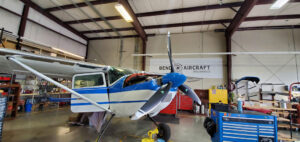 Annual inspections keep aircraft safe, legal, and ready to fly. Moreover, they protect your investment and long-term reliability. At Bend Aircraft, annual inspections go far beyond a simple checklist. Instead, the team treats every inspection as a complete health review for your aircraft.
Additionally, many owners feel uncertain or stressed before an inspection begins. Therefore, this guide clearly explains what to expect, what questions to ask, and how to budget with confidence. Because knowledge reduces surprises, understanding the process makes ownership easier and more enjoyable.
What Is an Annual Inspection?
An annual inspection is a required, once-per-year evaluation for most general aviation aircraft. Additionally, it confirms the aircraft meets FAA airworthiness standards. At Bend Aircraft, certified A&P mechanics handle each inspection with precision and care.
Moreover, the inspection covers systems, structures, and components in detail. Consequently, potential problems are found early. Because safety always comes first, no critical item is overlooked.
Why Annual Inspections Matter
Annual inspections protect lives and equipment. Furthermore, they help prevent small issues from becoming major failures. At Bend Aircraft, inspections also educate owners about their aircraft’s condition.
Additionally, inspections help preserve aircraft value. Therefore, complete and consistent maintenance records improve resale potential. Because buyers trust documented care, annual inspections support long-term financial value.
When to Schedule Your Annual Inspection
Timing plays an important role. Ideally, owners should schedule inspections before the due date. Moreover, early scheduling provides flexibility if repairs are needed.
At Bend Aircraft, many owners choose slower flying seasons. Consequently, downtime feels less disruptive. Meanwhile, early booking allows the maintenance team to plan efficiently.
What Happens During an Annual Inspection
The inspection follows a clear and organized process. First, mechanics review aircraft logbooks and records. Additionally, they confirm compliance with Airworthiness Directives.
Next, technicians inspect the airframe, engine, propeller, and systems. Moreover, they examine flight controls, landing gear, fuel systems, and basic avionics. Because assumptions create risk, every item receives verification.
Finally, findings are documented and reviewed with the owner. Therefore, you always understand what was found and why it matters.
Airframe Inspection Explained
The airframe inspection focuses on structural integrity. Additionally, technicians search for corrosion, cracks, and loose hardware. At Bend Aircraft, experience helps spot early warning signs.
Moreover, control surfaces, hinges, and attachment points are examined closely. Consequently, handling remains smooth and predictable. Because even small defects can affect safety, careful attention is essential.
Engine and Propeller Inspection
The engine receives detailed attention. Additionally, compression checks reveal internal engine health. At Bend Aircraft, oil systems, filters, and hoses are also inspected.
Moreover, the propeller is checked for nicks, cracks, and balance. Therefore, performance stays consistent. Because engine problems can escalate quickly, early detection saves time and money.
Avionics and Electrical Checks
Although annual inspections are not full avionics tests, basic evaluations are included. Additionally, wiring, circuit breakers, and installed equipment receive careful review.
At Bend Aircraft, technicians look for aging wires and poor connections. Consequently, electrical reliability improves. Meanwhile, owners can discuss avionics upgrades or future plans.
Interior, Cabin, and Safety Equipment
The cabin also receives inspection. Additionally, seat tracks, belts, and restraints are checked for wear. Emergency equipment is reviewed for condition and expiration dates.
At Bend Aircraft, comfort supports safety. Therefore, worn or outdated items are identified early. Because pilots rely on these components, reliability remains critical.
Logbooks and Documentation Review
Logbooks reflect your aircraft’s history. Additionally, accurate records ensure compliance and value. At Bend Aircraft, mechanics carefully review logbooks for accuracy.
Moreover, missing or unclear entries are flagged. Consequently, owners can correct problems before complications arise. Because documentation protects owners legally, this step matters greatly.
Common Issues Found During Annual Inspections
Certain issues appear regularly. For example, worn hoses, aging tires, and minor oil leaks are common. Additionally, corrosion sometimes appears in hidden areas.
At Bend Aircraft, mechanics explain every finding clearly. Therefore, owners understand urgency and options. Because transparency builds trust, surprises stay to a minimum.
What Owners Should Ask During the Inspection
Asking the right questions improves outcomes. Additionally, questions about wear trends help owners plan ahead. At Bend Aircraft, open communication is encouraged.
Ask which issues affect safety immediately. Moreover, ask which items can wait. Consequently, budgeting becomes clearer. Because informed owners make better decisions, questions are always welcome.
Understanding Squawks vs. Recommendations
Not every finding grounds an aircraft. Squawks must be corrected before return to service. Additionally, recommendations address future concerns.
At Bend Aircraft, the difference is explained clearly. Therefore, owners know what requires immediate action. Because clarity reduces stress, priorities remain obvious.
Budgeting for an Annual Inspection
Costs vary based on aircraft type and condition. Additionally, older aircraft may require more maintenance. At Bend Aircraft, estimates remain realistic and transparent.
Moreover, owners should budget for inspection labor plus possible repairs. Consequently, setting aside a maintenance reserve helps. Because surprises happen, preparation matters.
Typical Cost Ranges
Owners often want a general cost idea. Typically, single-engine piston aircraft start with a base inspection labor cost. Additionally, parts and repairs add to the final amount.
At Bend Aircraft, detailed explanations accompany every estimate. Therefore, owners see exactly where funds go. Because trust matters, transparency stays consistent.
How to Reduce Unexpected Costs
Preparation helps control expenses. Additionally, addressing known issues before the inspection reduces delays. At Bend Aircraft, pre-inspection discussions are encouraged.
Moreover, keeping the aircraft clean allows mechanics to work efficiently. Consequently, labor time stays reasonable. Because small steps add up, preparation pays off.
Downtime: How Long Will It Take?
Downtime depends on findings and parts availability. Additionally, simple inspections may take a week or less. At Bend Aircraft, scheduling helps minimize delays.
Moreover, clear communication keeps owners informed throughout the process. Therefore, planning becomes easier. Because time matters, updates are provided regularly.
Owner-Assisted Annual Inspections
Some owners choose to assist. Additionally, owner-assisted inspections can lower costs. At Bend Aircraft, this option is evaluated individually.
However, safety and compliance remain the priority. Therefore, only appropriate tasks are allowed. Because regulations must be followed, guidance is always provided.
After the Inspection Is Complete
Once repairs finish, logbooks are signed and reviewed. Additionally, the aircraft returns to service legally and safely. At Bend Aircraft, final checks confirm quality.
Moreover, mechanics explain completed work clearly. Consequently, owners leave informed and confident. Because understanding your aircraft matters, education continues.
Planning for the Next Year
Annual inspections are part of an ongoing cycle. Additionally, tracking trends helps plan future maintenance. At Bend Aircraft, history guides recommendations.
Moreover, proactive care reduces long-term costs. Therefore, owners who plan ahead enjoy smoother ownership. Because consistency matters, forward planning is encouraged.
Why Choose Bend Aircraft for Annual Inspections
Experience, communication, and precision set the standard. Additionally, Bend Aircraft focuses on long-term relationships, not shortcuts.
Moreover, transparency guides every inspection. Therefore, owners feel confident at every step. Because aircraft deserve expert care, Bend Aircraft delivers dependable results.
Final Thoughts on Annual Inspections
Annual inspections protect safety, value, and confidence. Additionally, understanding the process removes uncertainty. At Bend Aircraft, inspections remain thorough, clear, and owner-focused.
Therefore, when owners know what to expect, ask, and budget for, aircraft ownership becomes easier. Because preparation leads to peace of mind, annual inspections remain a smart investment.