
Certifications And Requirements 91.411 & 91.413
Bend Aircraft – 91.411 & 91.413 Certifications And Requirements
Bend Aircraft and Why These Certifications Matter
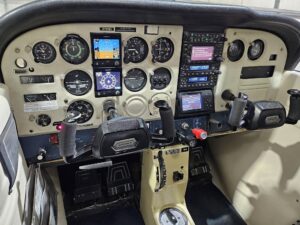 Certifications And Requirements – At Bend Aircraft, safety always comes first. Therefore, 91.411 and 91.413 certifications play a vital role in legal and reliable flight operations. Moreover, these certifications directly support accurate altitude reporting and aircraft identification. As a result, pilots can operate confidently in controlled airspace.
Additionally, FAA compliance protects both pilots and passengers. Consequently, Bend Aircraft focuses on precision, clarity, and consistency during every inspection. Because regulations can feel overwhelming, our team simplifies the process from start to finish.
What Are FAR 91.411 and 91.413?
First, FAR 91.411 applies to altimeter systems and static pressure systems. Meanwhile, FAR 91.413 applies to aircraft transponders. Together, these regulations ensure aircraft systems report accurate data to air traffic control.
Therefore, compliance improves airspace safety. Moreover, accurate reporting reduces risk during IFR and controlled airspace operations. Consequently, these inspections remain essential for modern aviation.
Understanding FAR 91.411 Requirements
Under FAR 91.411, aircraft must pass inspection every 24 calendar months. Additionally, the rule applies to aircraft flying IFR or in controlled airspace. Because altitude accuracy matters, the FAA sets strict limits.
At Bend Aircraft, technicians inspect altimeters with precision. Next, they test static systems for leaks and pressure accuracy. Then, they confirm all readings fall within FAA tolerances. As a result, aircraft meet regulatory standards without delays.
Key Components Checked During 91.411 Testing
Several components receive careful attention. First, the altimeter undergoes accuracy testing. Next, the static system is checked for leaks. Additionally, lines, fittings, and connections receive inspection.
Because small errors create big risks, Bend Aircraft uses a detailed approach. Furthermore, technicians document results clearly. Therefore, aircraft owners always understand system performance.
Understanding FAR 91.413 Requirements
FAR 91.413 focuses on transponder inspections every 24 calendar months. Specifically, it verifies that transponders transmit correct identification and altitude data. Because ATC relies on this information, accuracy is critical.
At Bend Aircraft, technicians test transponder frequency, output power, and response timing. Additionally, they verify Mode C altitude reporting. Consequently, aircraft remain visible and compliant in busy airspace.
Why Transponder Accuracy Matters
Transponders support collision avoidance systems. Therefore, inaccurate signals increase safety risks. Moreover, incorrect altitude data may cause airspace violations.
Because of these risks, Bend Aircraft follows precise testing standards. Additionally, we use calibrated equipment for reliable results. As a result, pilots avoid compliance issues and operational disruptions.
Who Needs 91.411 and 91.413 Certifications?
Many aircraft owners need these certifications. For example, IFR pilots must comply before flight. Additionally, VFR pilots flying in Class A, B, or C airspace also need valid inspections.
Therefore, Bend Aircraft helps owners review operating requirements. Moreover, our team explains applicability clearly. Consequently, pilots stay compliant with confidence.
Aircraft Commonly Affected by These Regulations
Most general aviation aircraft fall under these rules. This includes single-engine airplanes, multi-engine aircraft, and turboprops. Additionally, business jets require these inspections.
Because Bend Aircraft services diverse aircraft, we tailor inspections to each platform. Furthermore, our experience spans both legacy systems and modern avionics.
How Bend Aircraft Performs These Inspections
Bend Aircraft follows a proven process. First, we review aircraft records and previous certifications. Next, we connect calibrated test equipment. Then, we perform required inspections step by step.
Because efficiency matters, we minimize downtime whenever possible. Additionally, we communicate progress clearly. Therefore, owners remain informed throughout the process.
Advanced Equipment and Skilled Technicians
Accuracy requires proper tools and training. Therefore, Bend Aircraft invests in advanced test equipment. Moreover, our technicians receive continuous training.
As a result, inspections consistently meet FAA standards. Additionally, our expertise helps identify small issues early.
What Happens If an Aircraft Does Not Pass?
Occasionally, an aircraft may not pass inspection initially. However, Bend Aircraft handles this proactively. First, we explain findings clearly. Next, we outline practical repair options.
Because transparency builds trust, we avoid unnecessary work. Furthermore, we focus on efficient solutions. Consequently, aircraft return to service quickly.
Repairs and Adjustments After Testing
When repairs are required, Bend Aircraft handles them in-house. For example, technicians may adjust altimeter calibration or repair static leaks. Additionally, we resolve transponder output issues.
Because in-house service saves time, turnaround stays fast. Therefore, pilots experience less downtime.
Documentation and FAA Logbook Entries
Documentation plays a key role in compliance. Therefore, Bend Aircraft provides accurate logbook entries after testing. Additionally, we apply certification stickers when required.
Because proper records matter, we meet all FAA documentation standards. Consequently, owners avoid future inspection problems.
How Often Should Inspections Be Scheduled?
Both certifications require renewal every 24 calendar months. Therefore, Bend Aircraft recommends scheduling early. Additionally, early planning avoids last-minute stress.
Because downtime affects operations, proactive scheduling helps. Moreover, we align inspections with other maintenance tasks when possible.
Why Pilots Choose Bend Aircraft
Choosing the right service provider matters. Therefore, Bend Aircraft emphasizes accuracy, honesty, and service. Additionally, we understand general and business aviation needs.
As a result, pilots trust us for critical compliance work. Furthermore, our reputation reflects consistent quality.
Local Aviation Expertise in Central Oregon
Bend Aircraft proudly serves Central Oregon and surrounding regions. Because local conditions influence operations, our team understands regional aviation needs. Additionally, we support private and commercial operators.
Therefore, Bend Aircraft remains a trusted aviation partner.
Preparing Your Aircraft for Inspection
Preparation improves inspection efficiency. First, bring current logbooks. Next, ensure avionics power systems function correctly. Additionally, remove cockpit clutter.
Because preparation saves time, Bend Aircraft offers guidance beforehand. Therefore, inspections run smoothly.
Common Questions About 91.411 and 91.413
Owners often ask if both inspections occur together. In most cases, yes. Additionally, many ask about inspection time. Typically, testing completes within one day.
Because questions are common, Bend Aircraft encourages open communication. Moreover, we explain rules clearly.
Staying Compliant With Confidence
Compliance does not need to feel stressful. Therefore, Bend Aircraft simplifies the process. Additionally, our team tracks requirements and deadlines.
As a result, owners focus on flying rather than paperwork.
Schedule Your Inspection With Bend Aircraft
When certification time approaches, Bend Aircraft is ready to help. Therefore, scheduling early ensures availability. Additionally, we offer flexible appointments.
Because safety and compliance matter, trust Bend Aircraft for 91.411 and 91.413 certifications. Consequently, you fly knowing your aircraft meets FAA standards and performs reliably every flight.